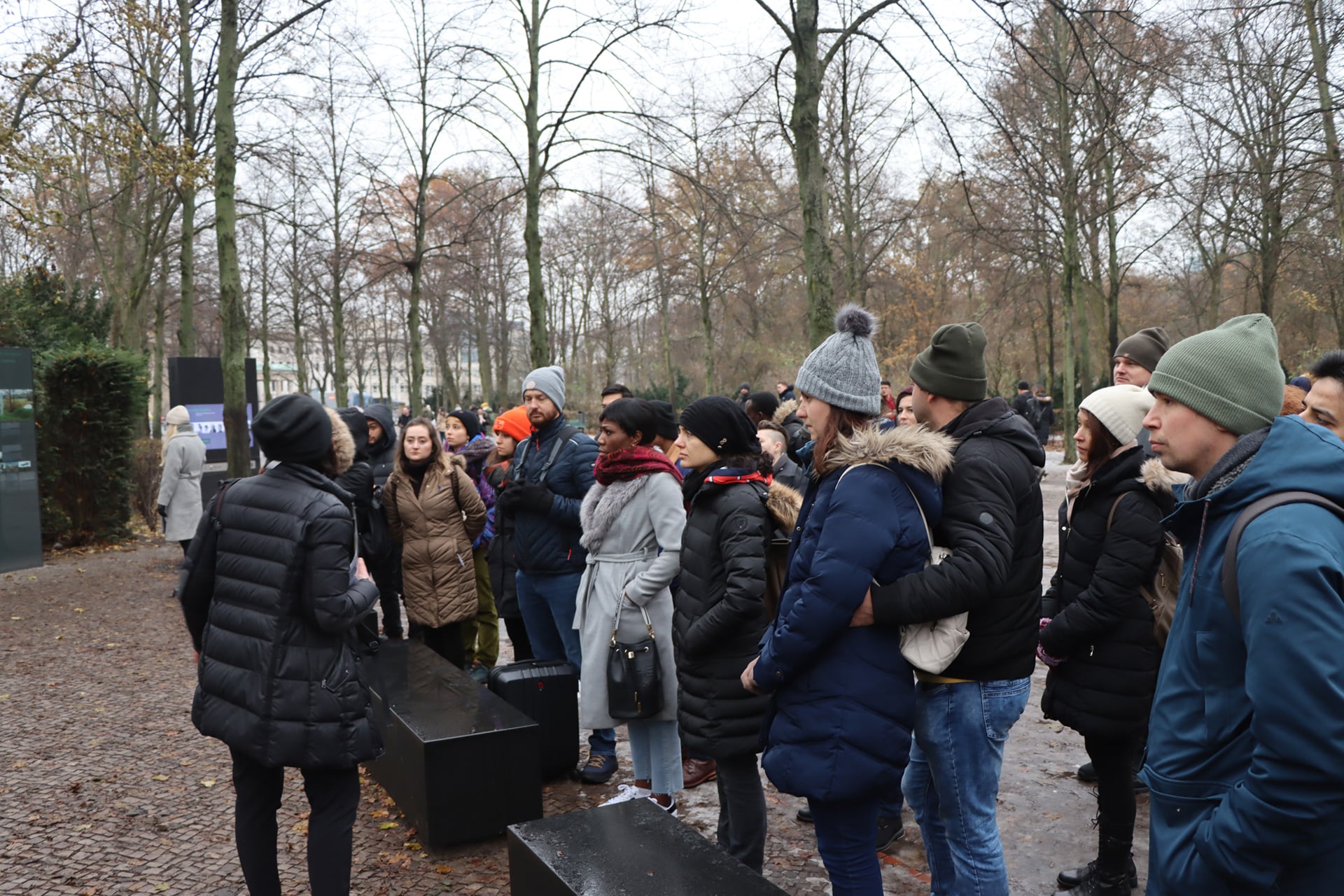
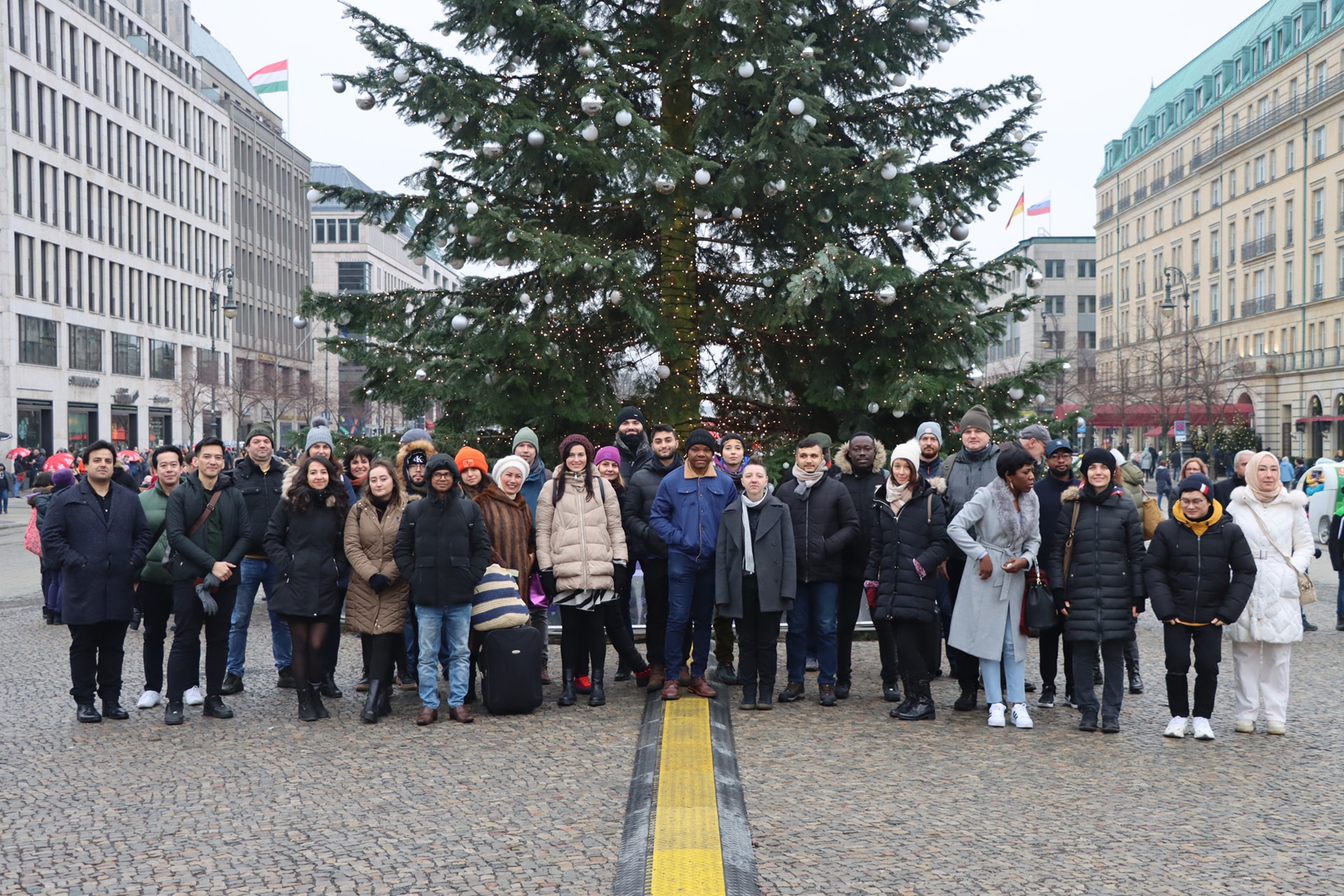
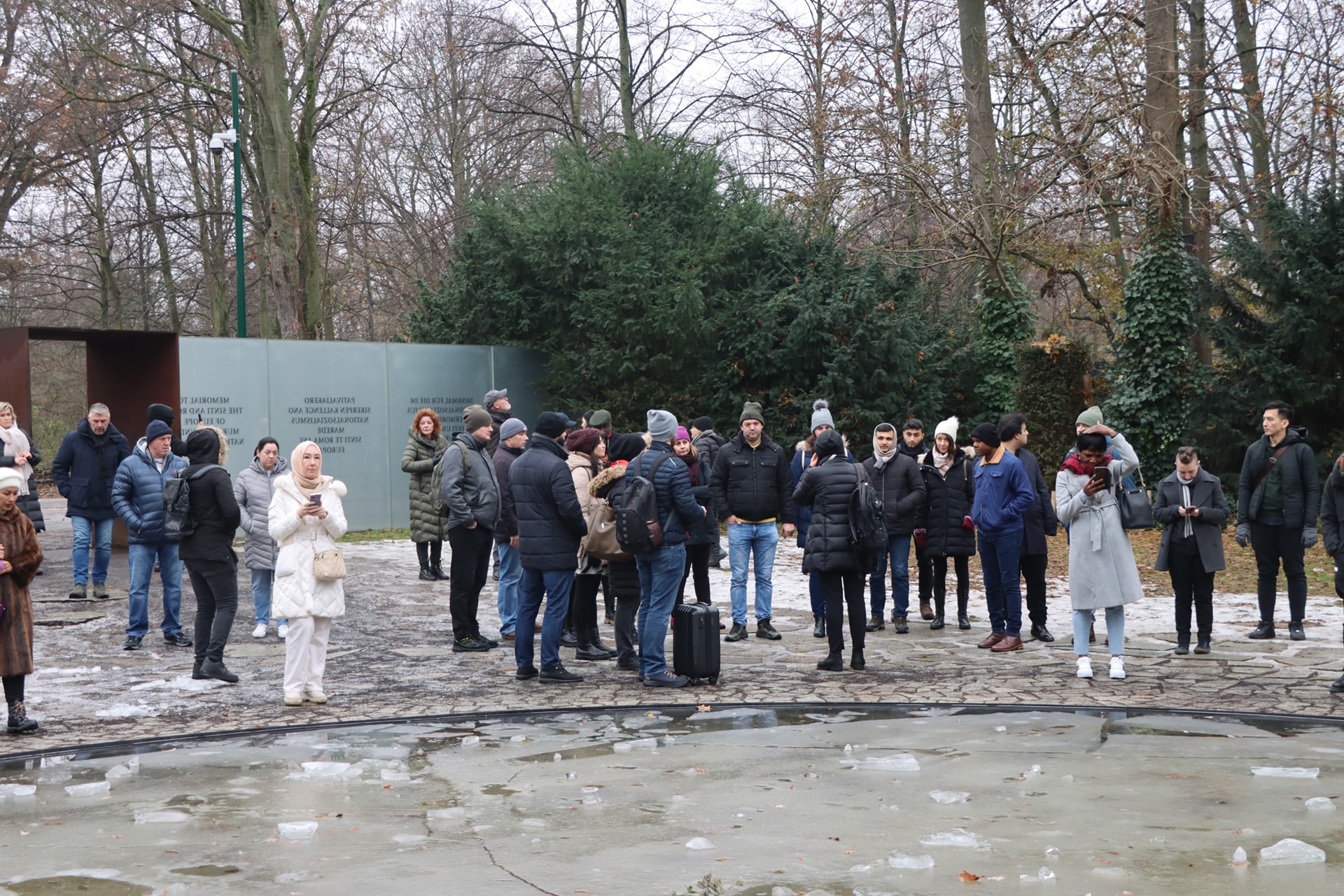
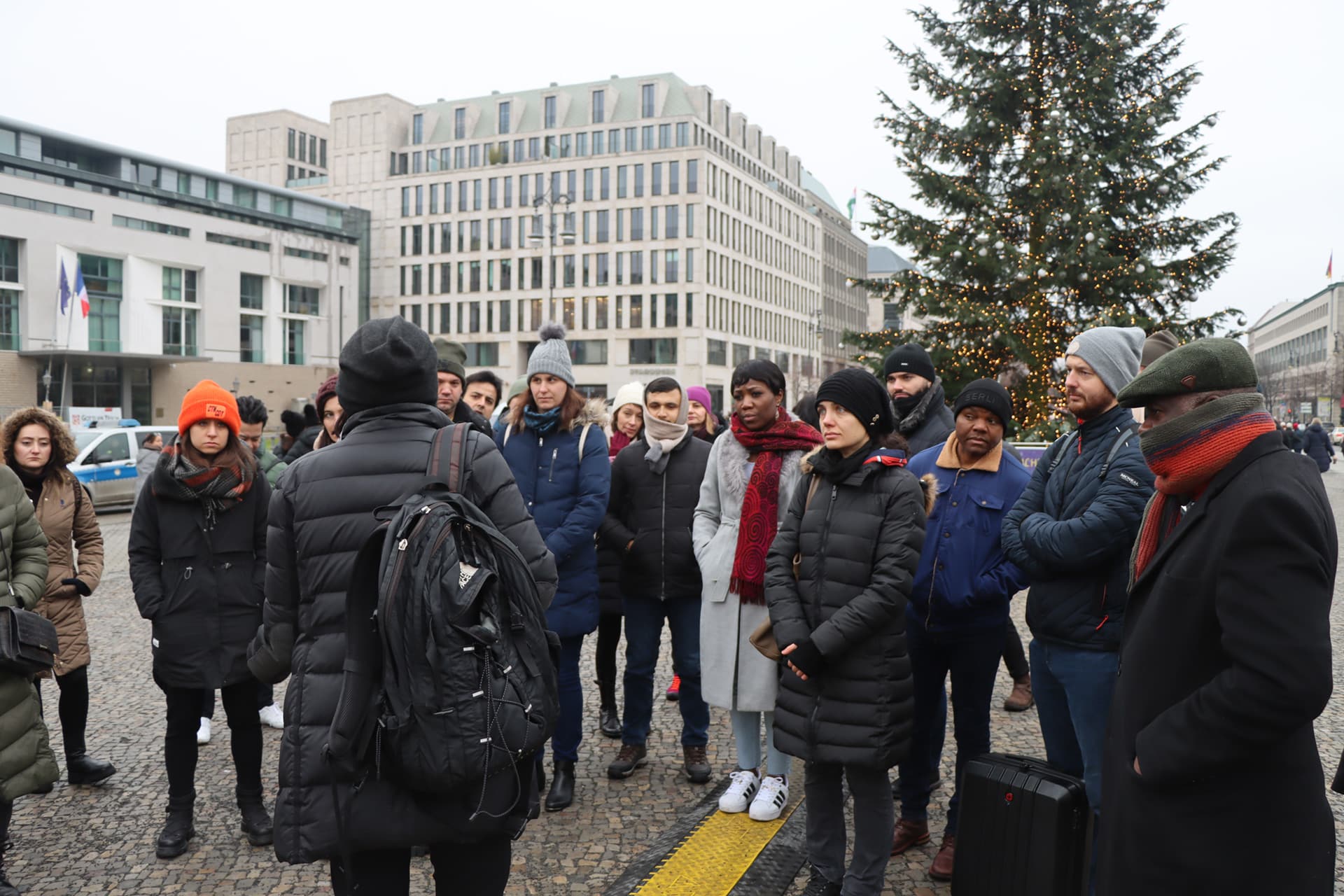
Sixth Round, Berlin 2026
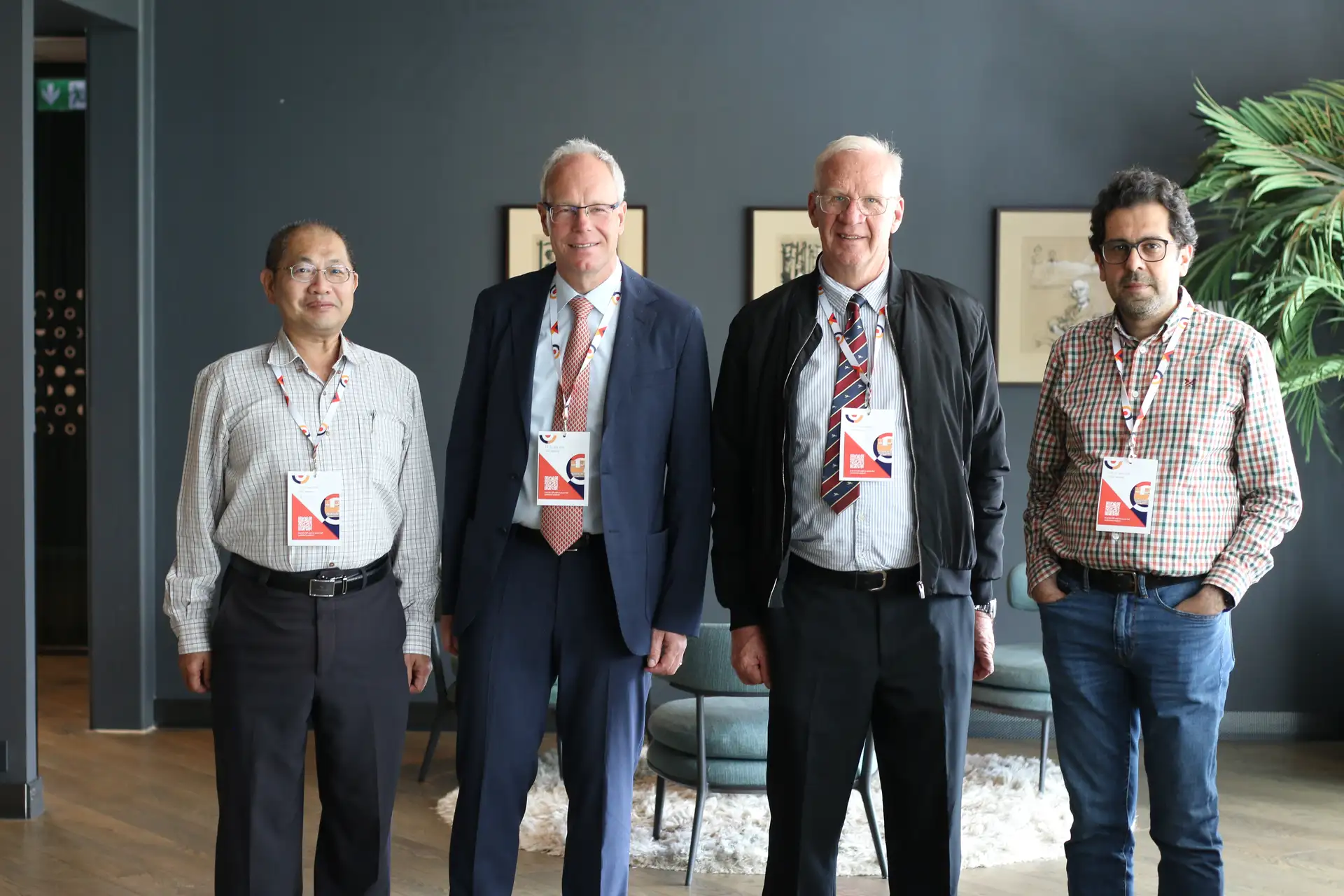
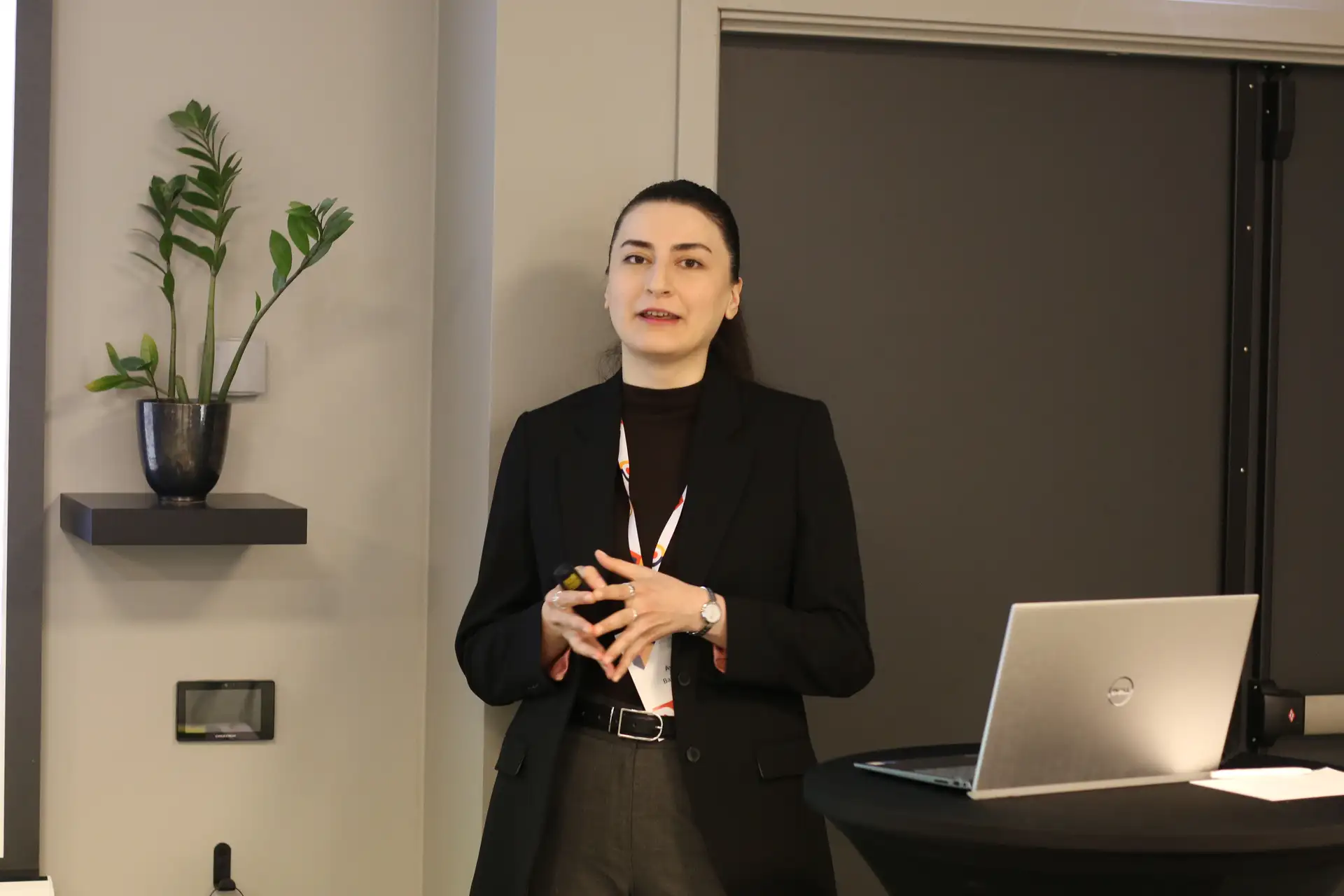
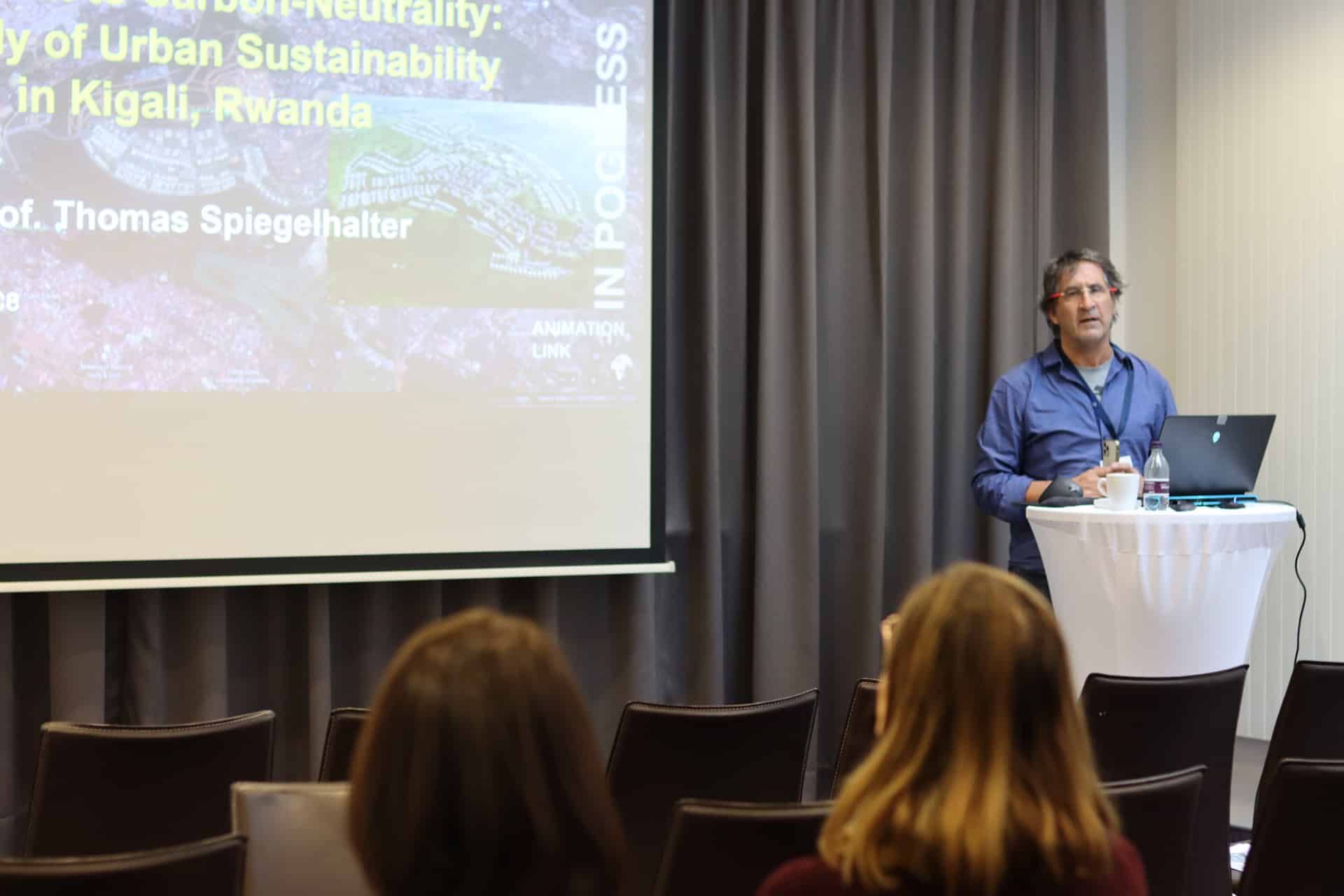
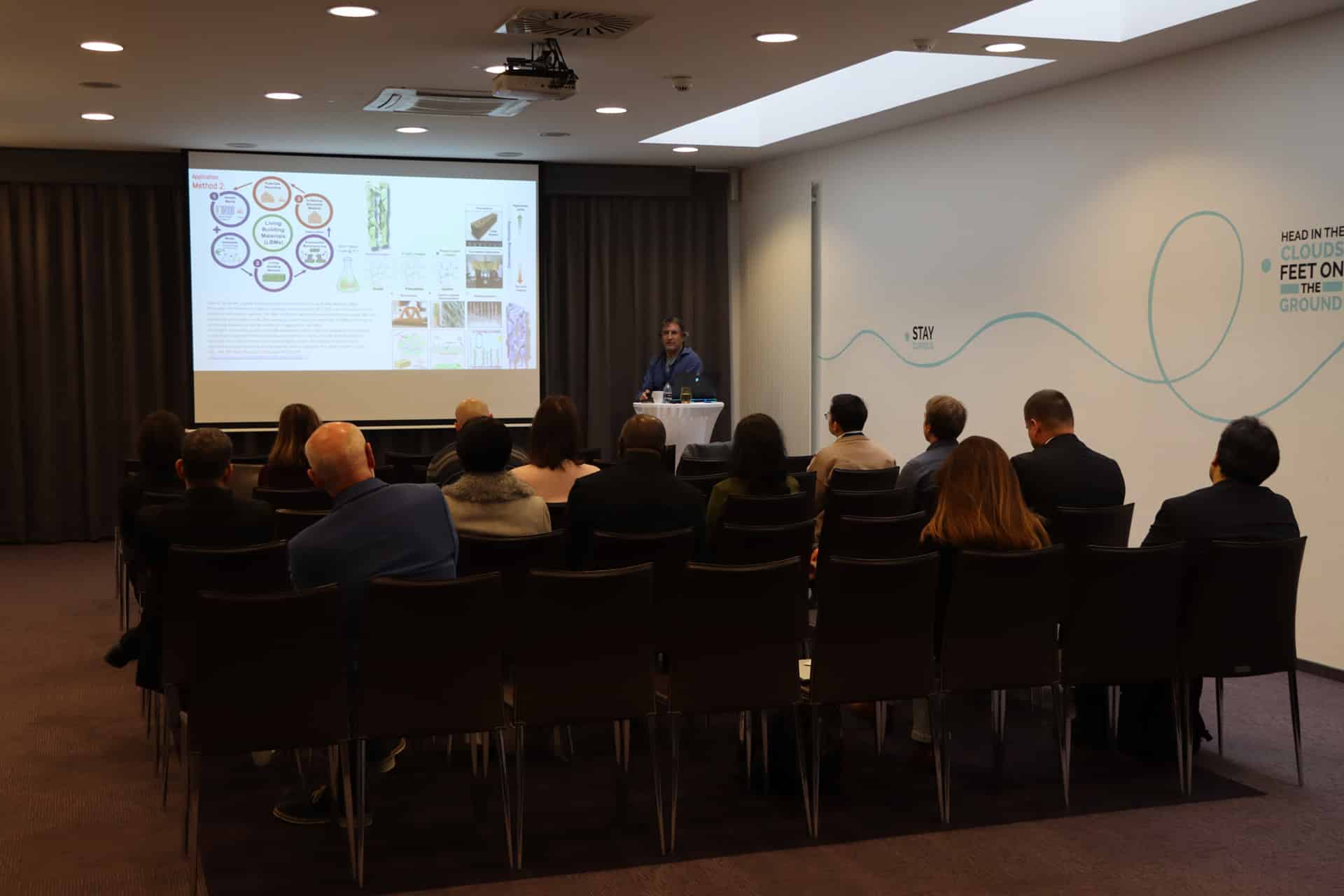
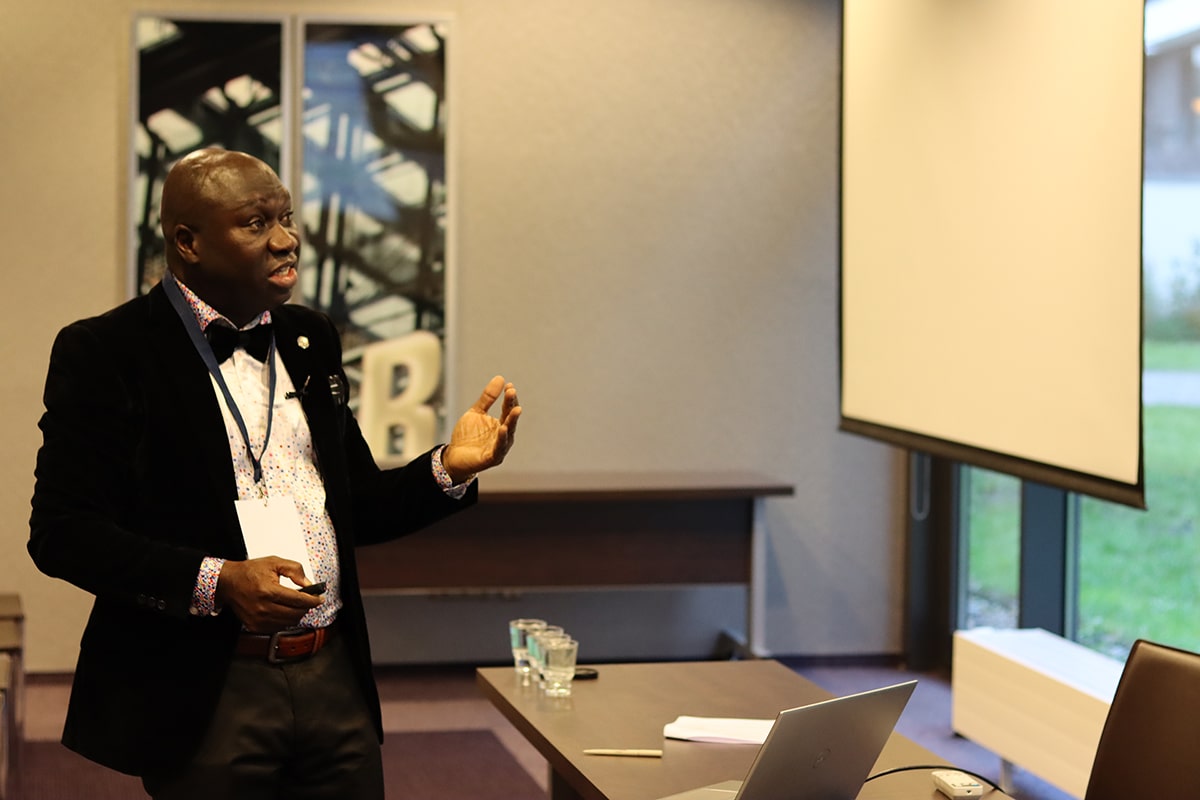
The 11th International Conference on Applied Research in Management, Business and Economics convened in Oslo, Norway, on June 19, 2026. Experts from Azerbaijan, South Africa, Germany, the United Kingdom, Poland, Nigeria, India, the United States, Ghana, Zimbabwe, and Tanzania discussed social media dynamics in a global context, bottom-of-the-pyramid financial business model innovations, loss aversion in large language models, digital finance and sovereignty, and the growing influence of finfluencers on retail investor behavior and other issues such as
Join the conversation and help shape future editions of ICARBME
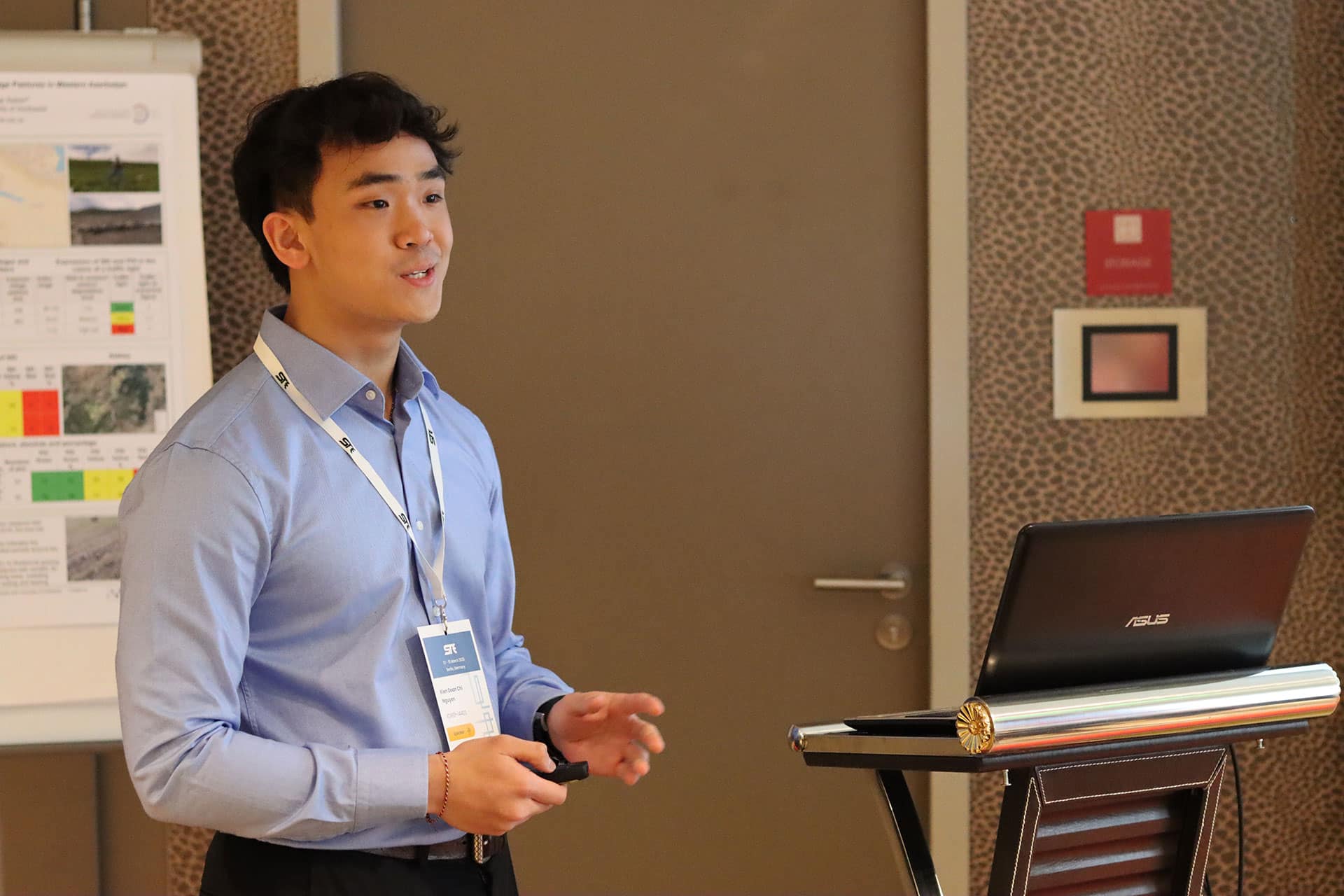
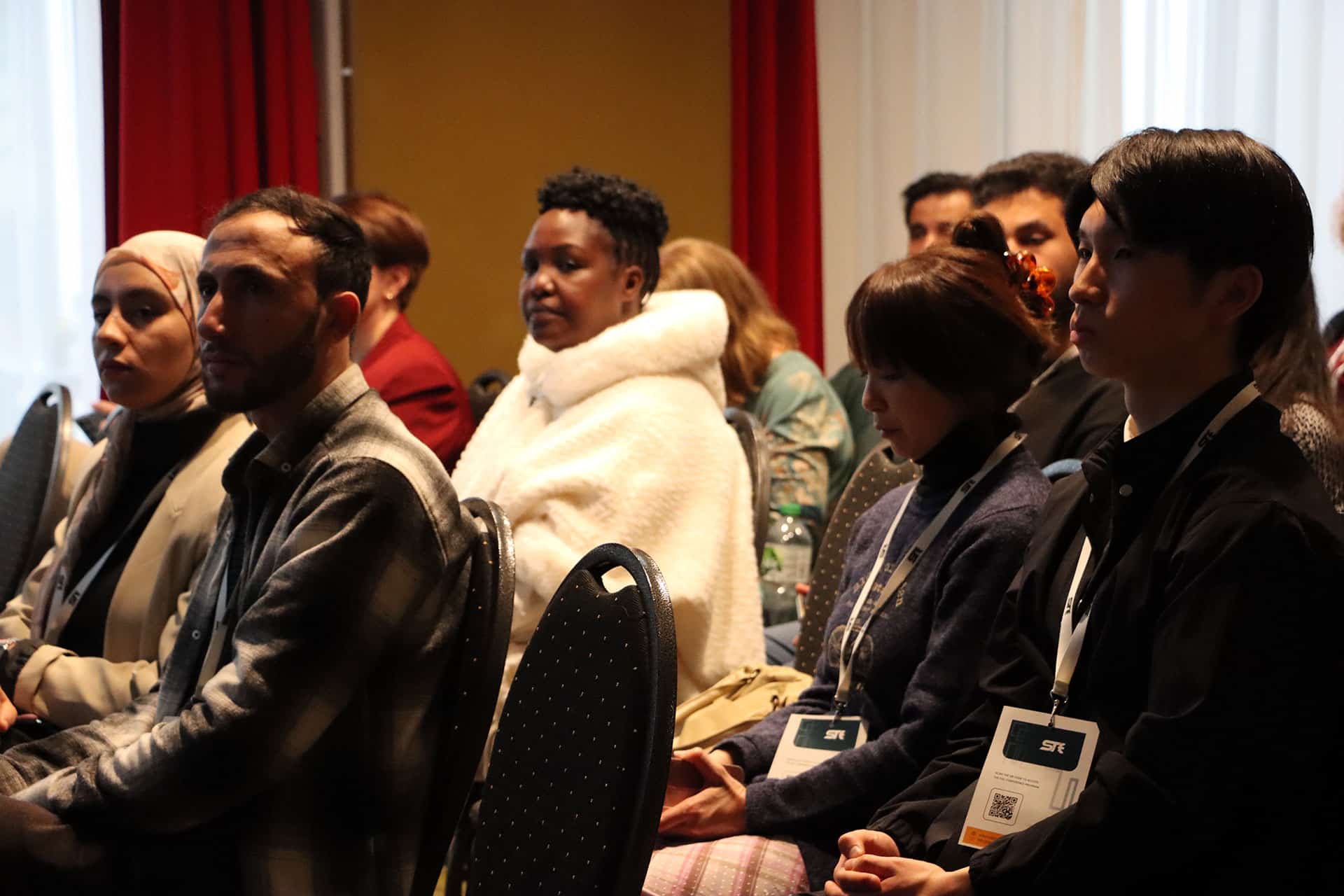
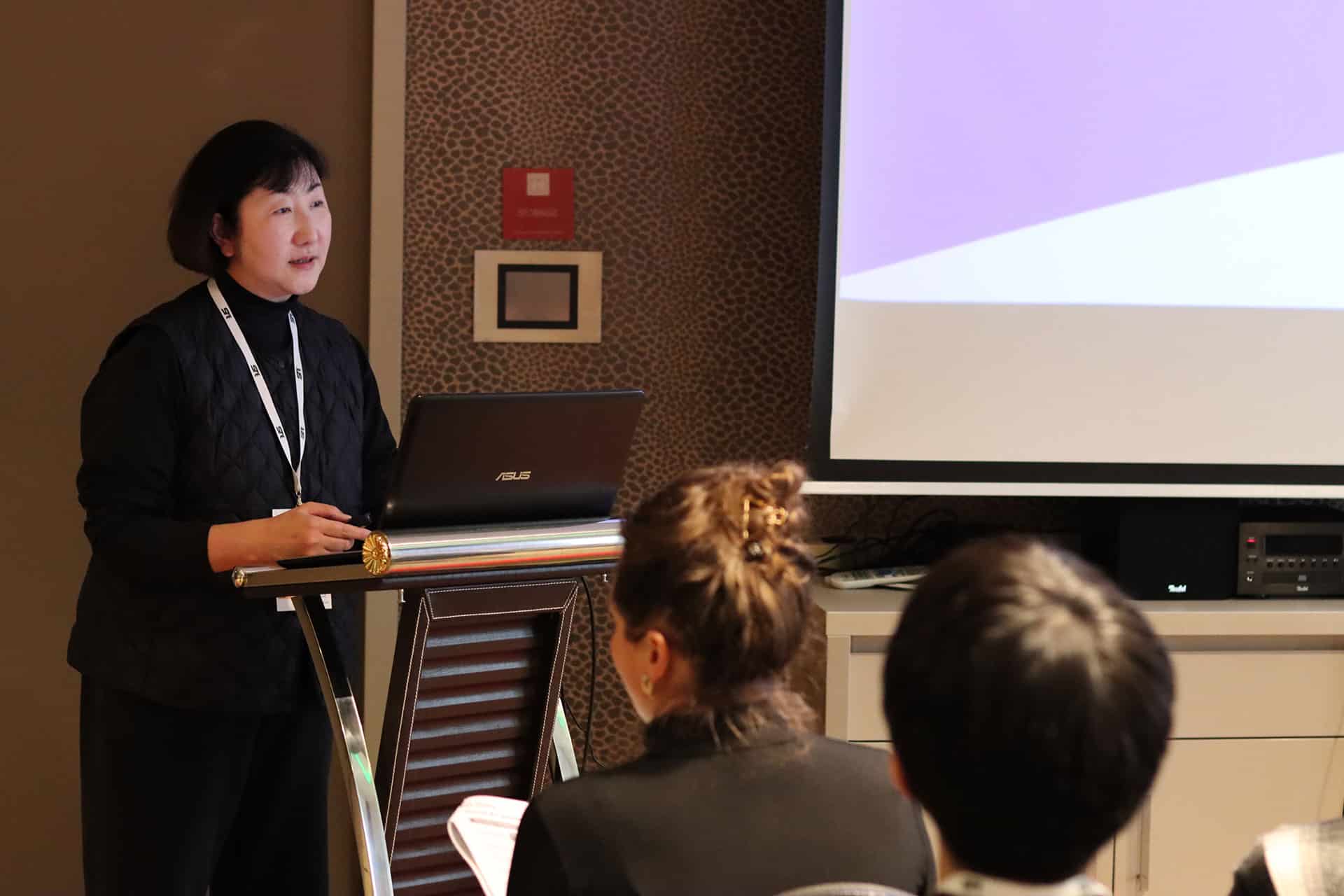
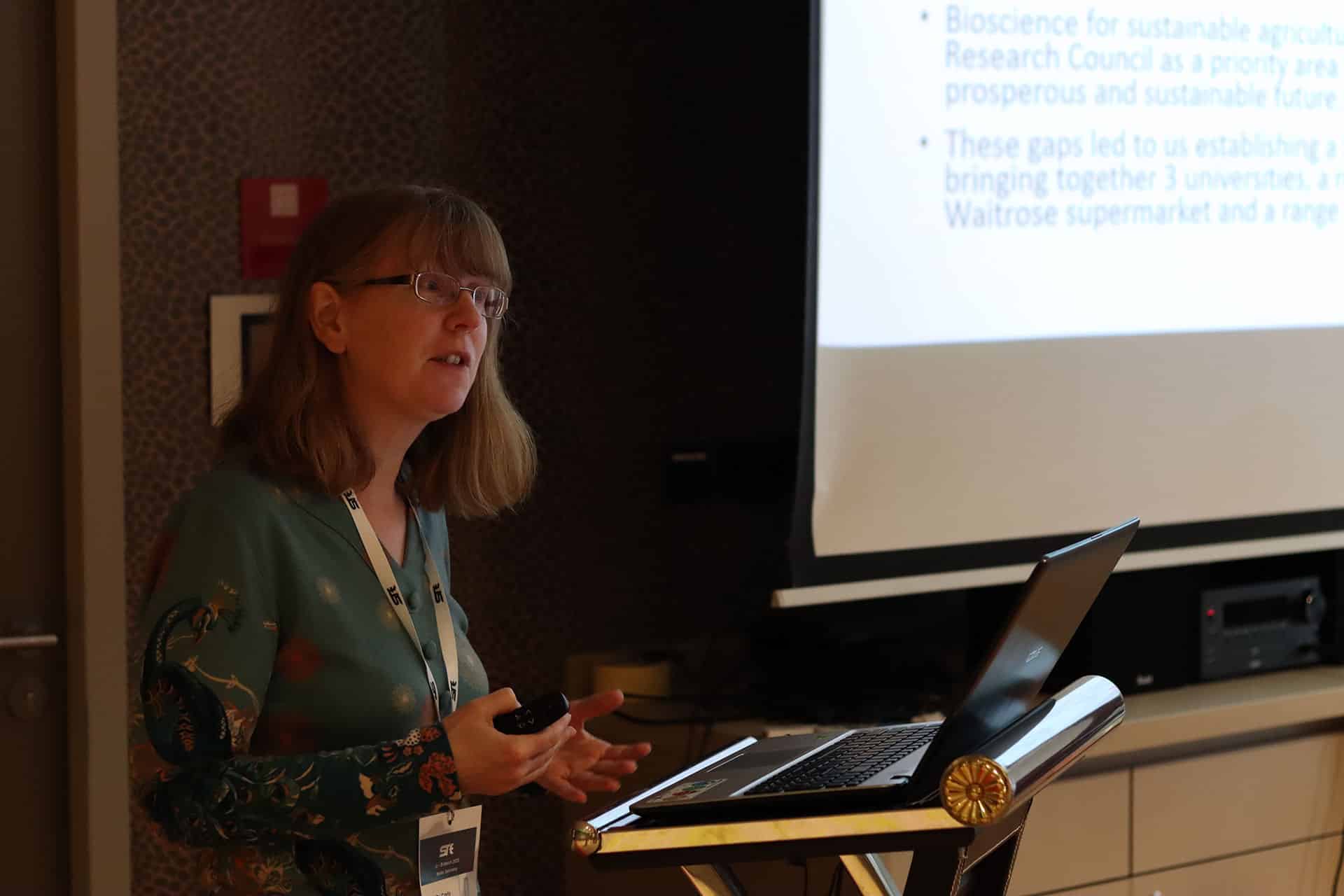
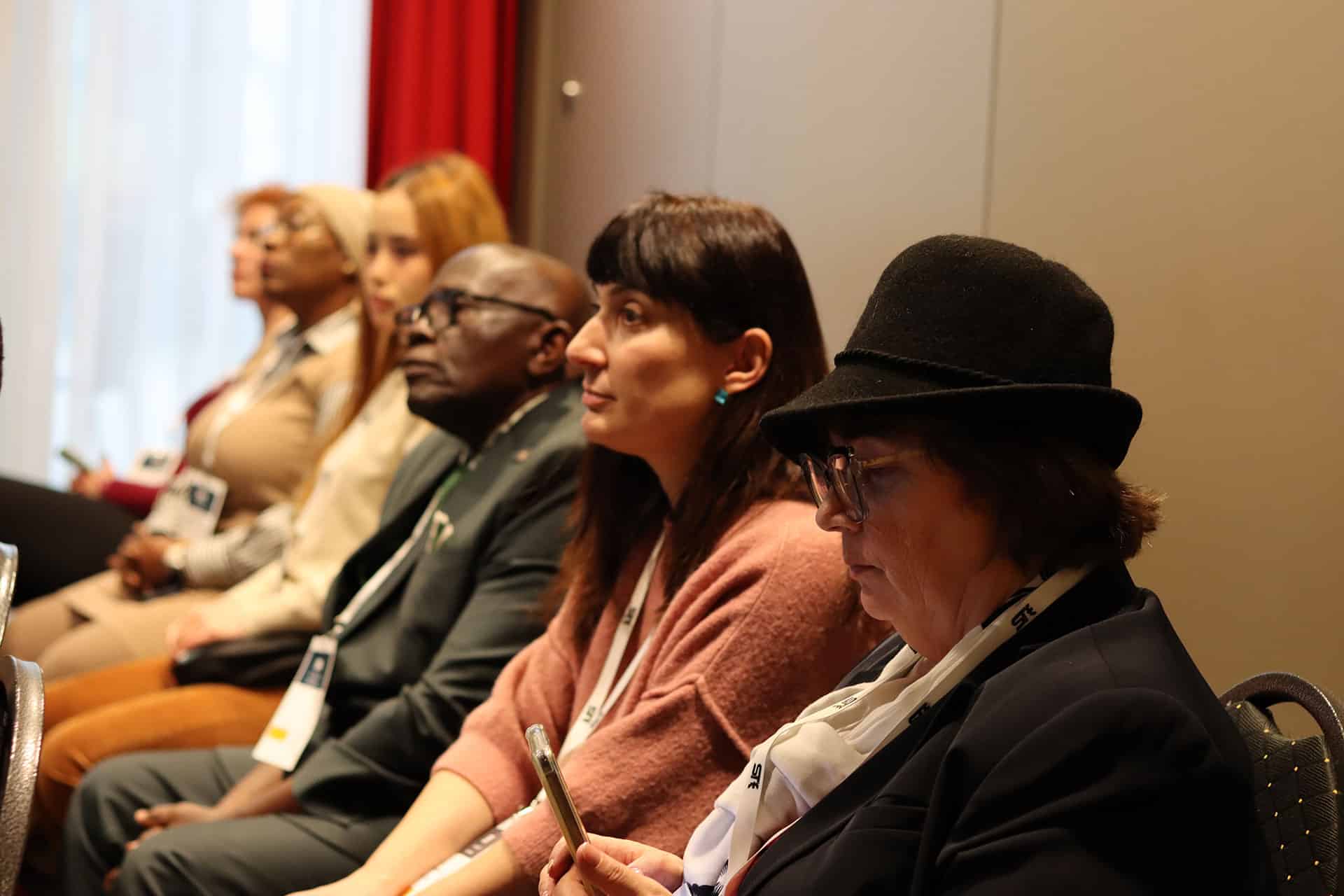
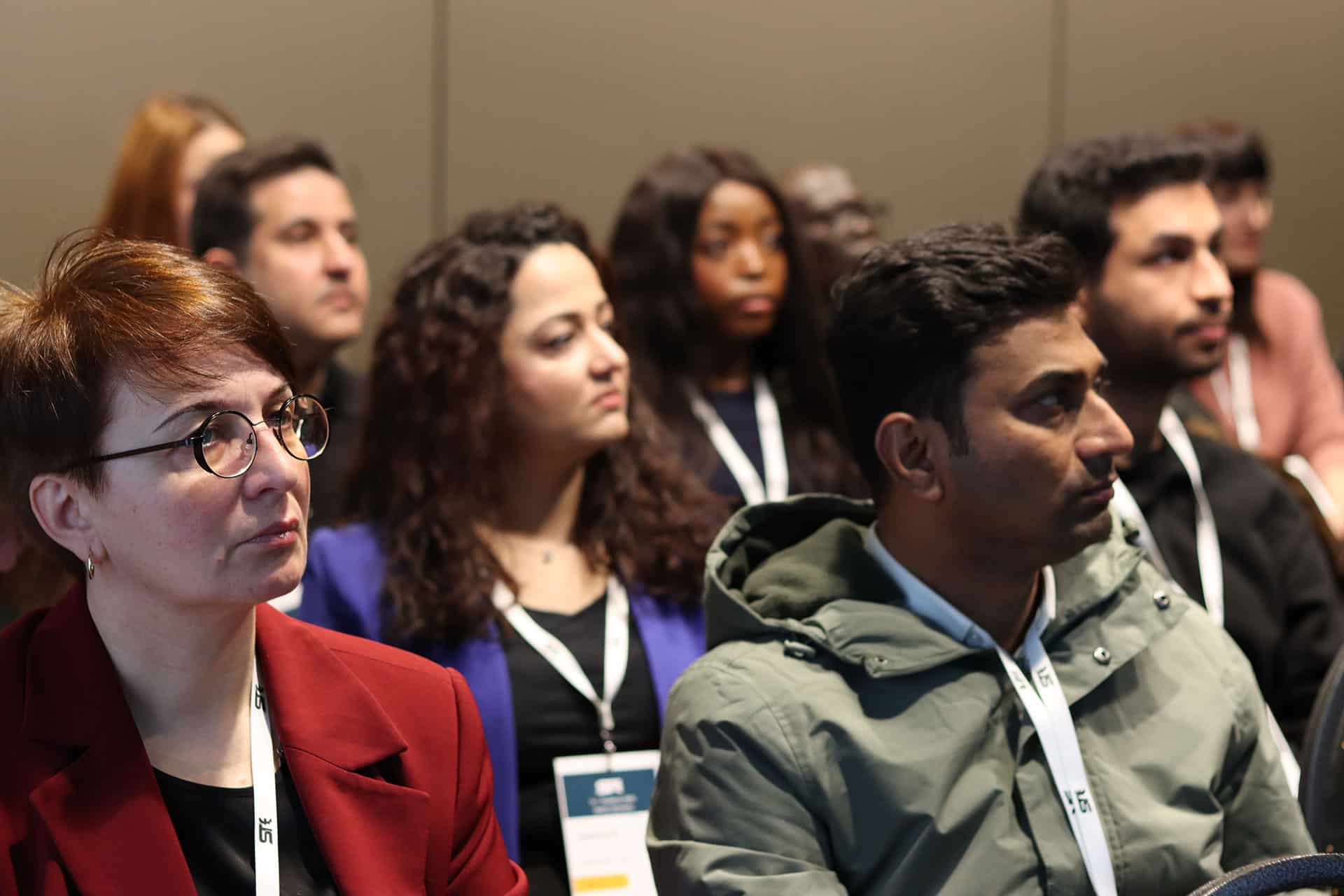
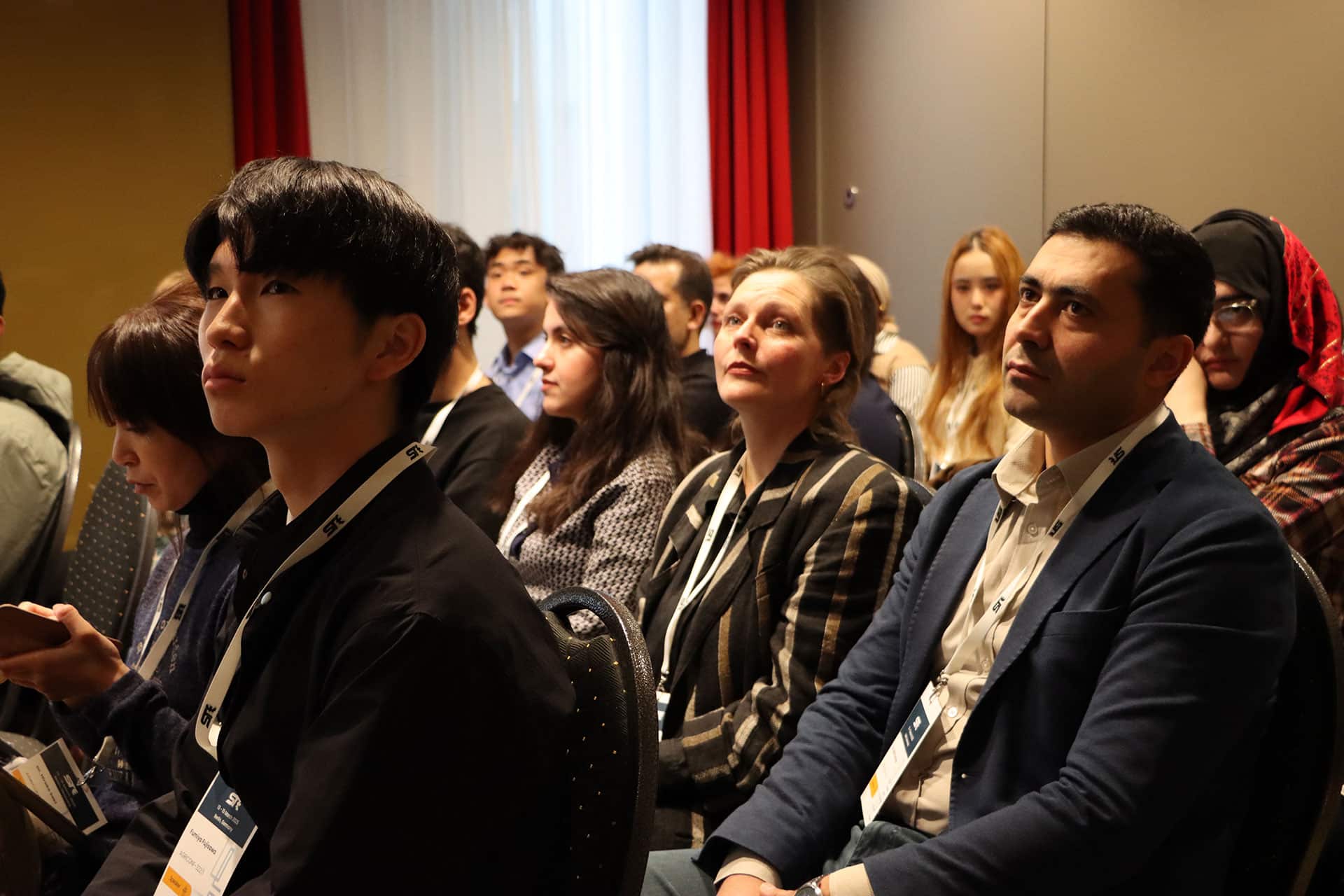
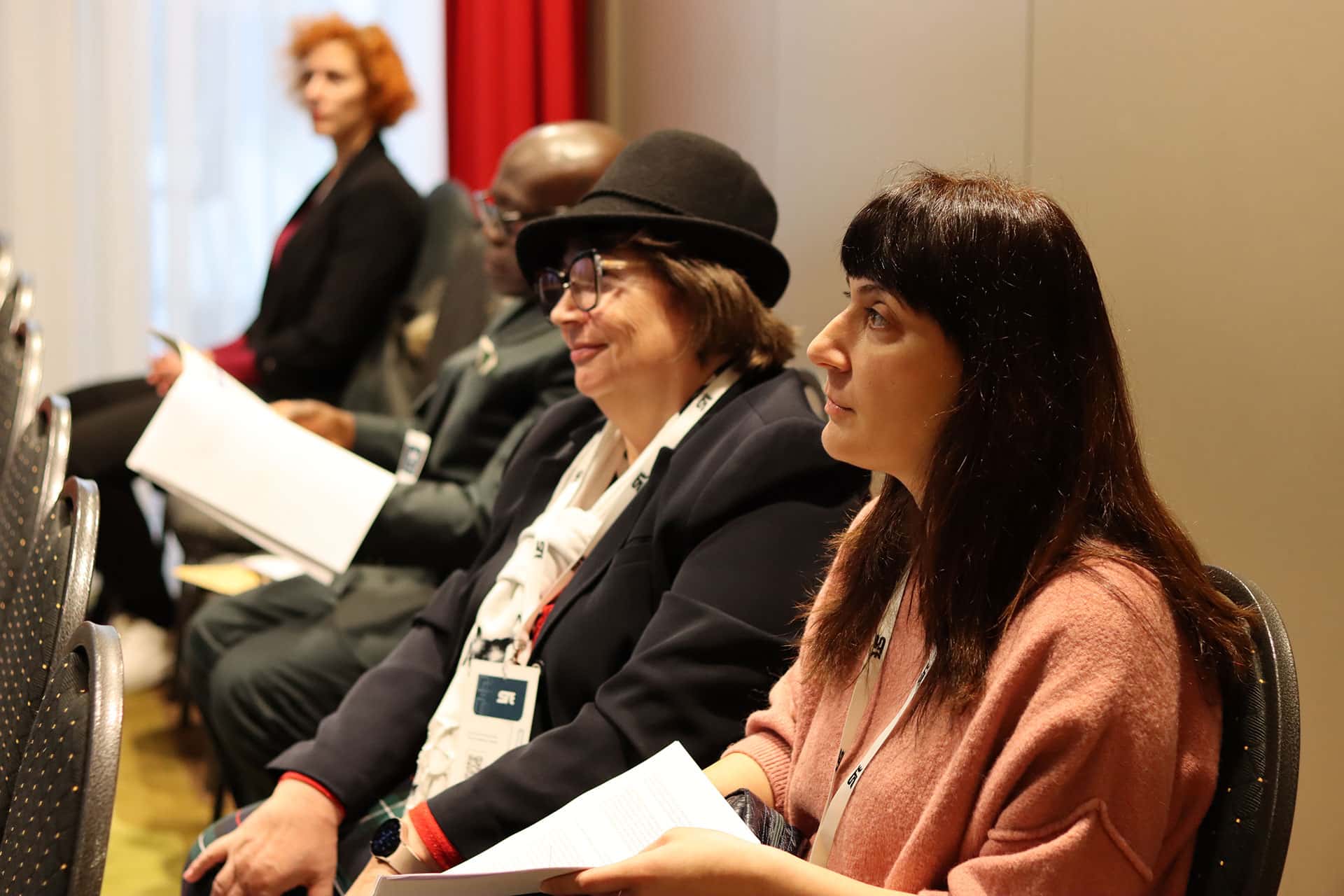
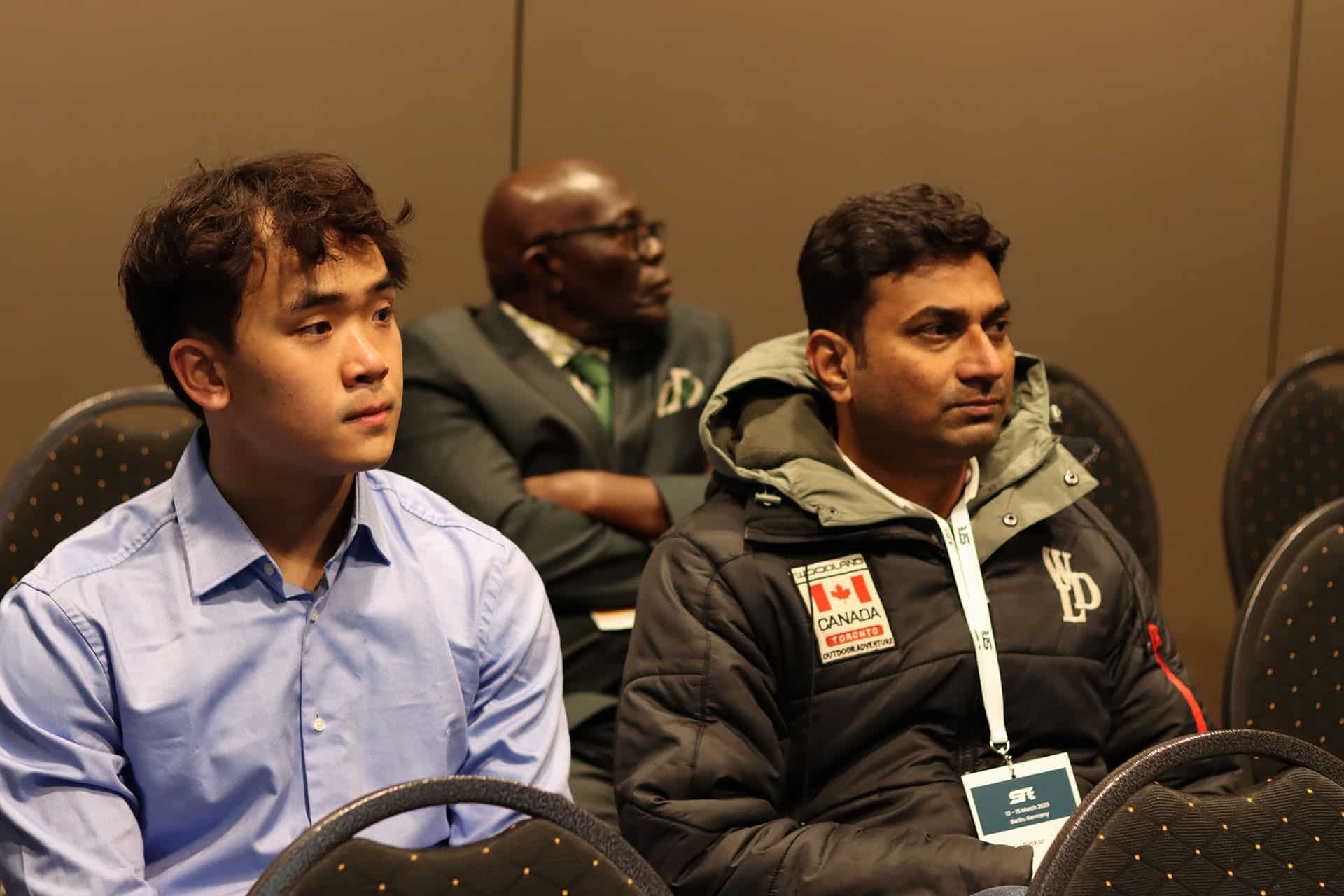
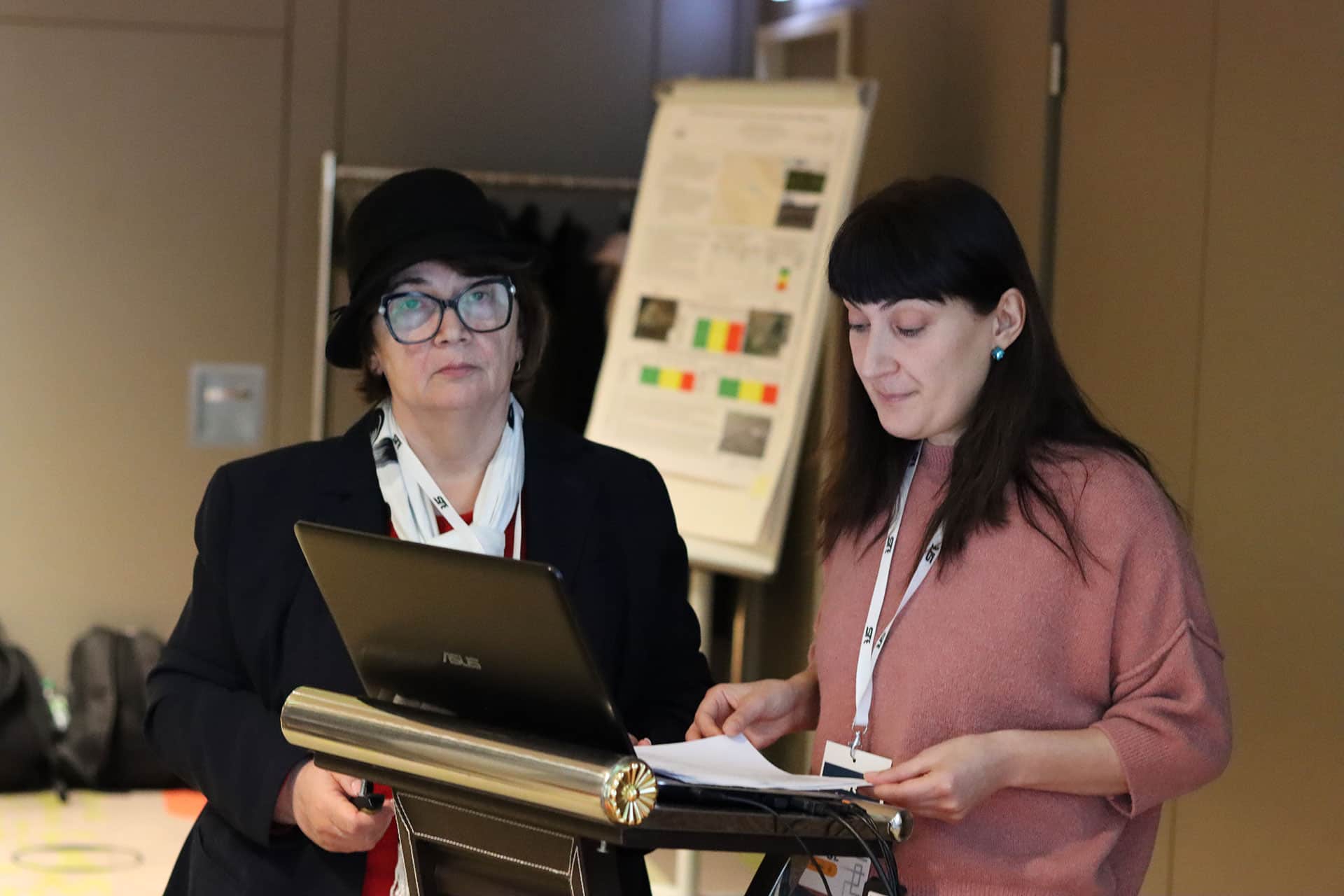
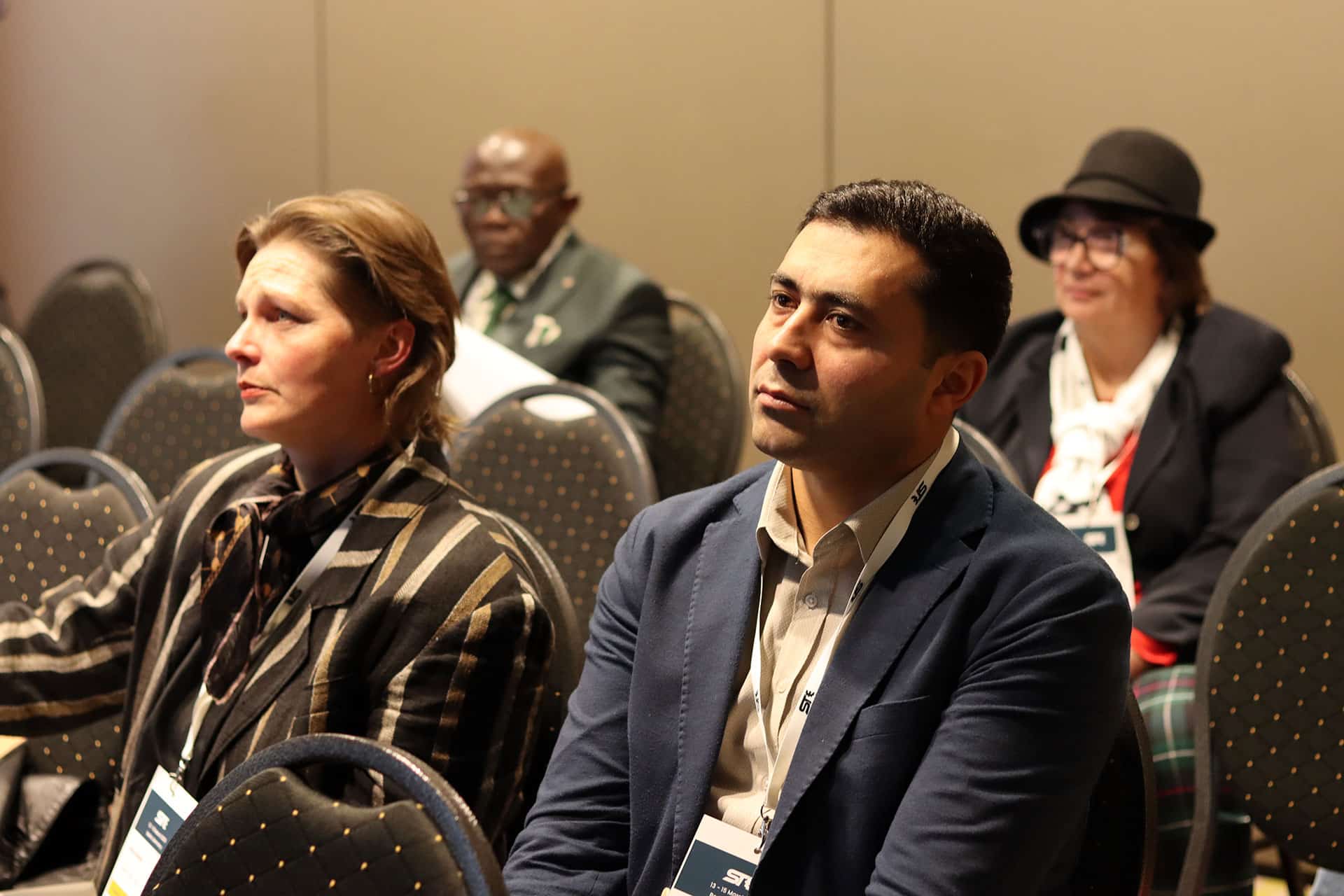
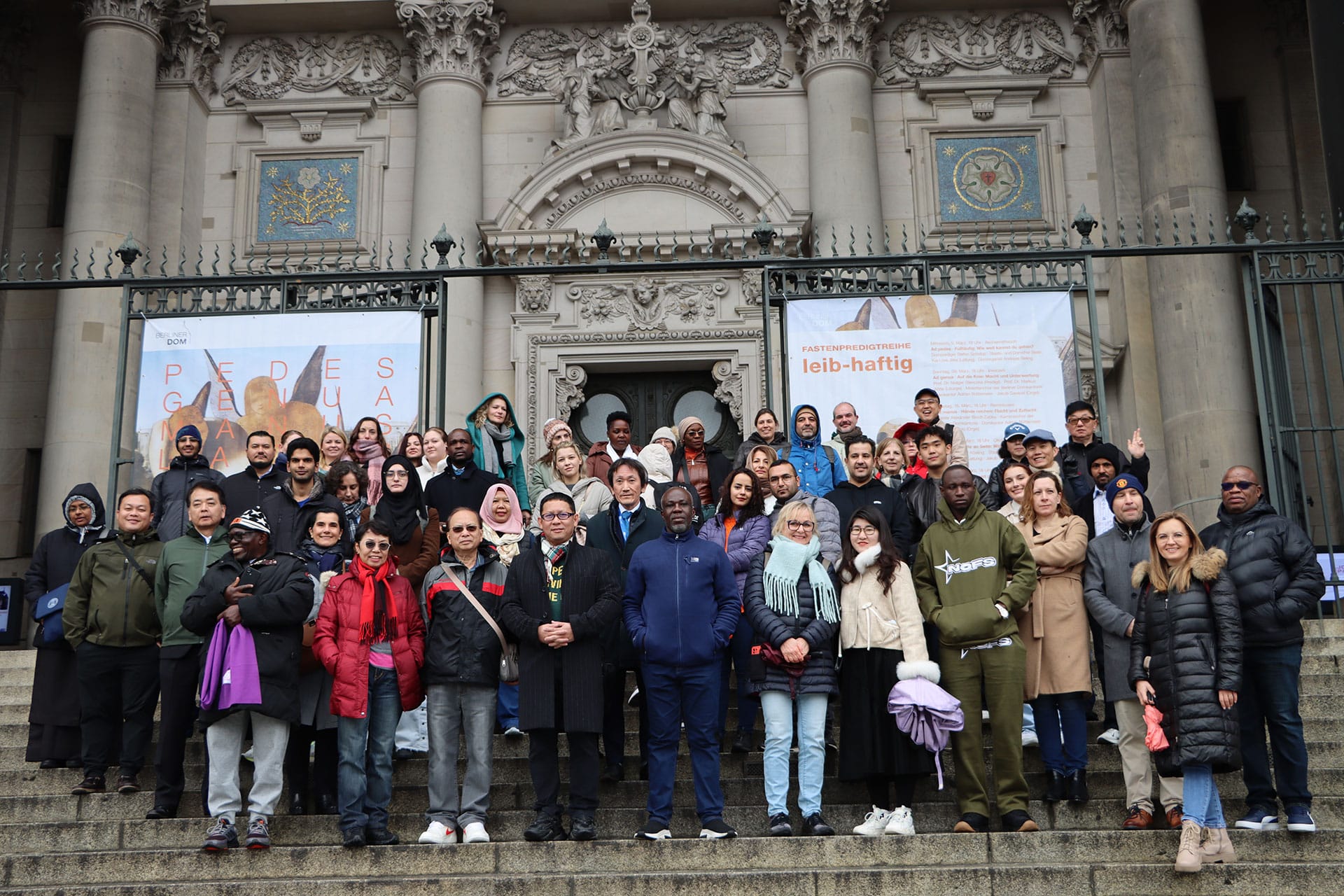
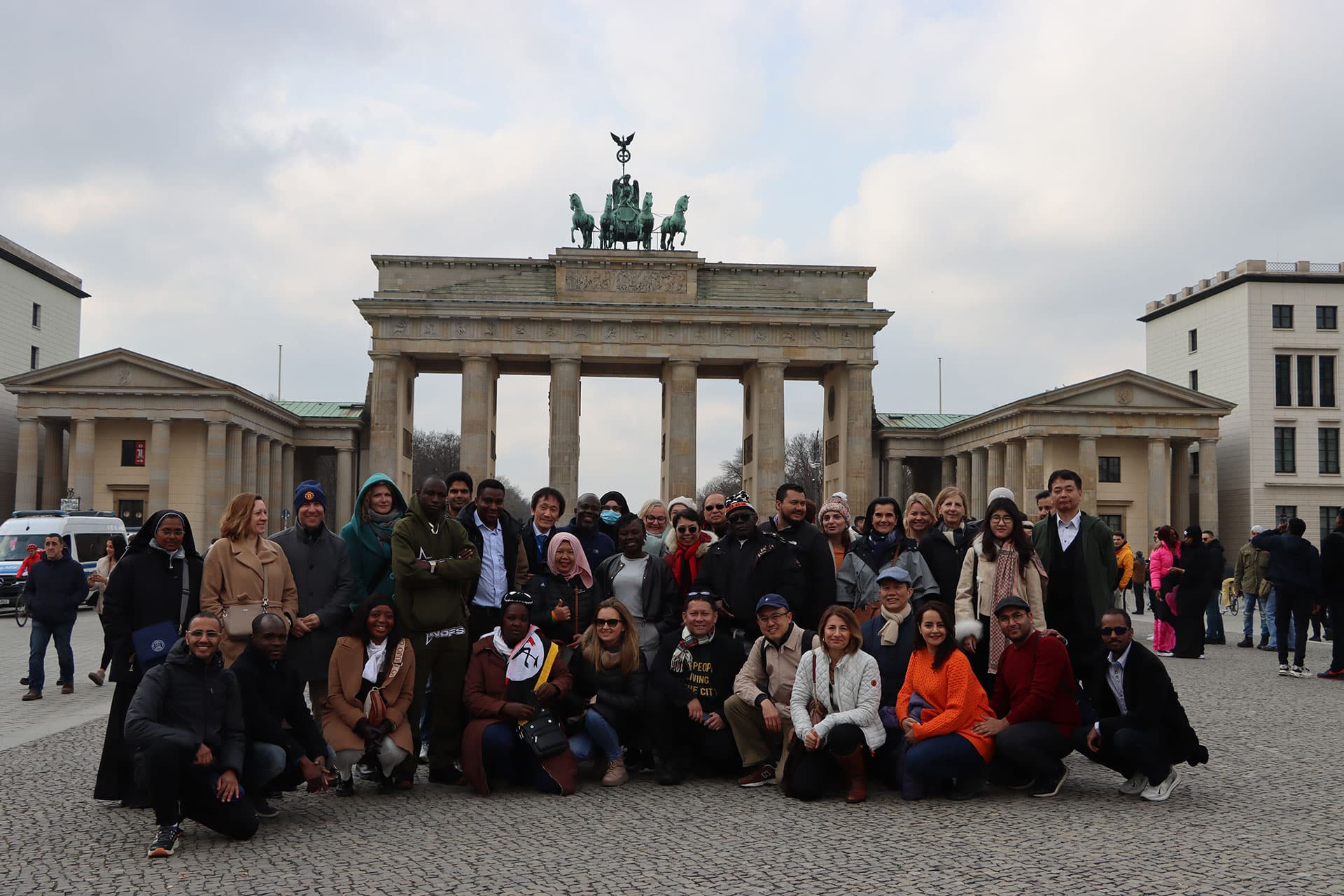
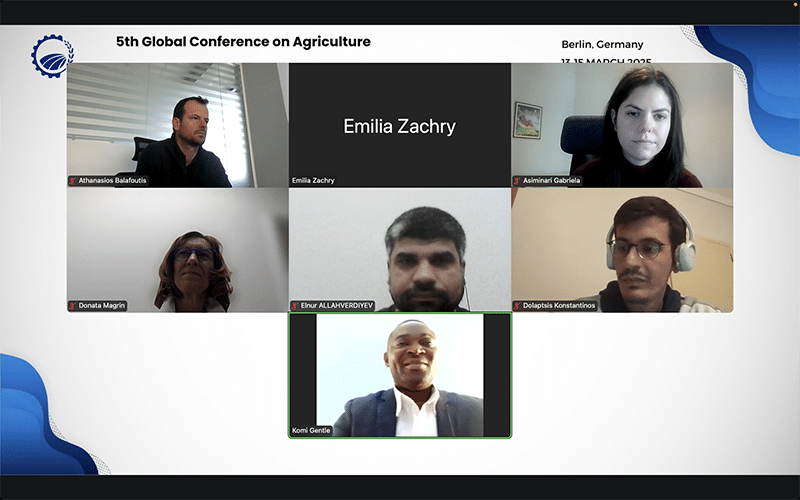
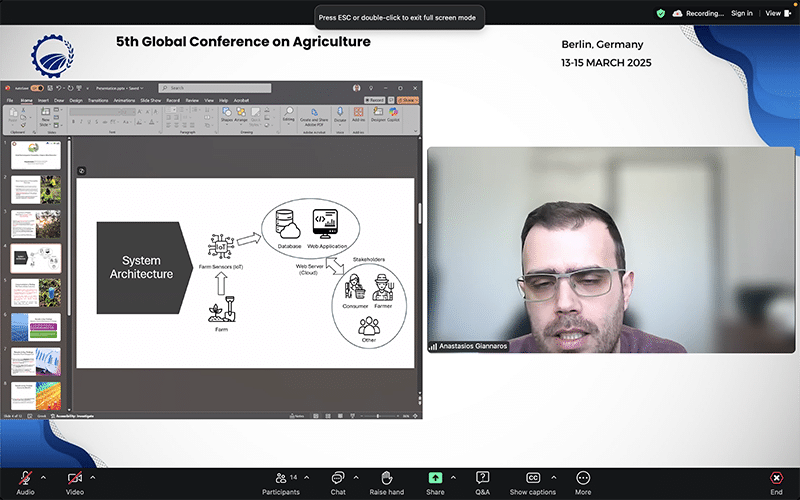
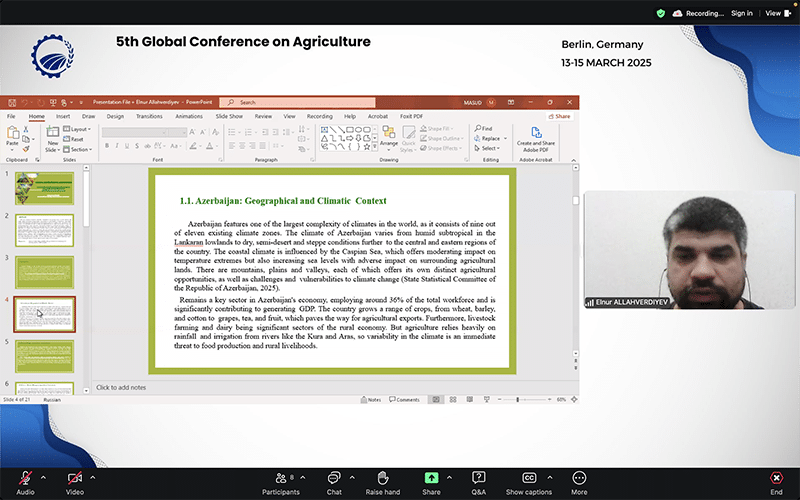
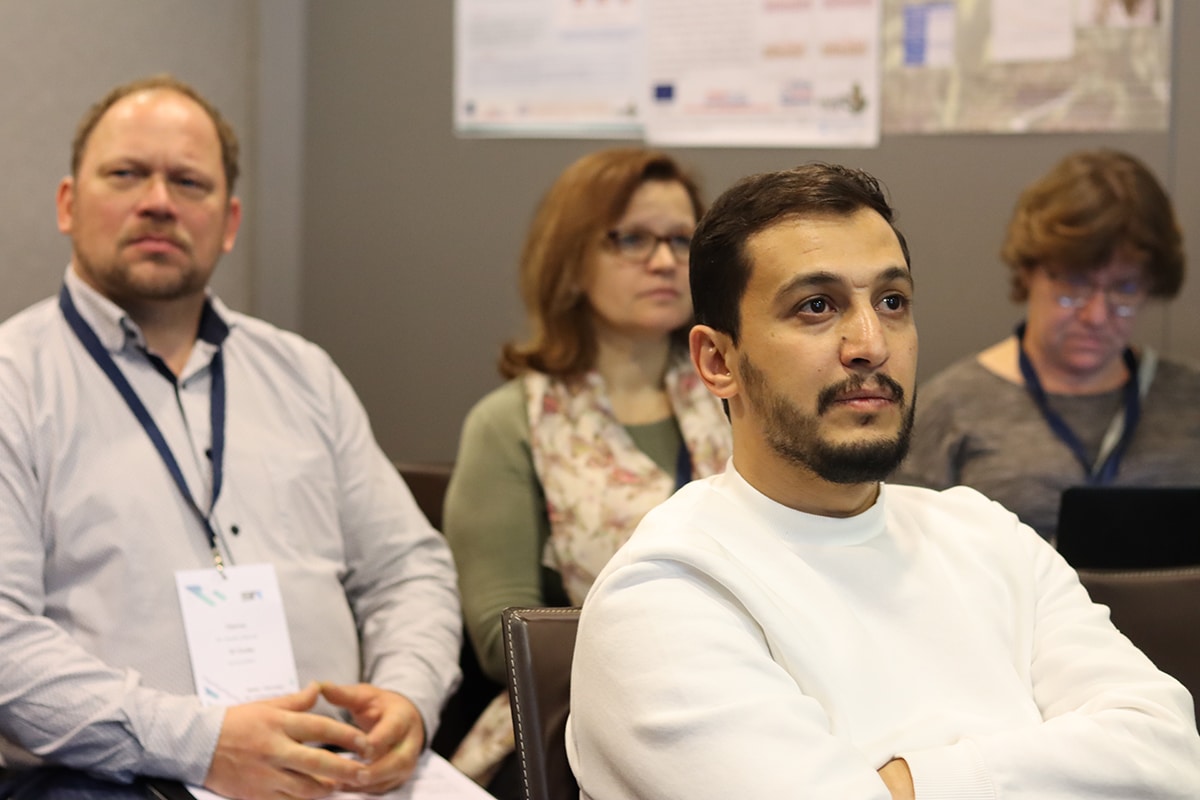
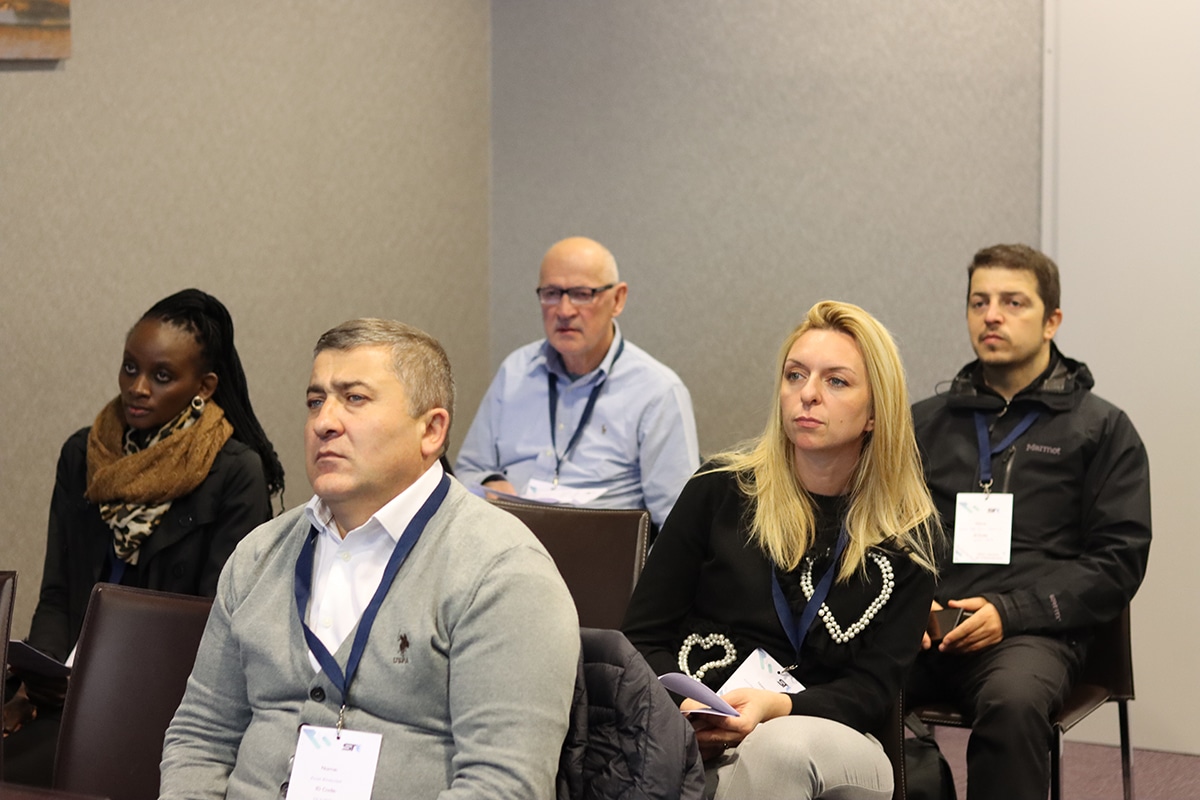
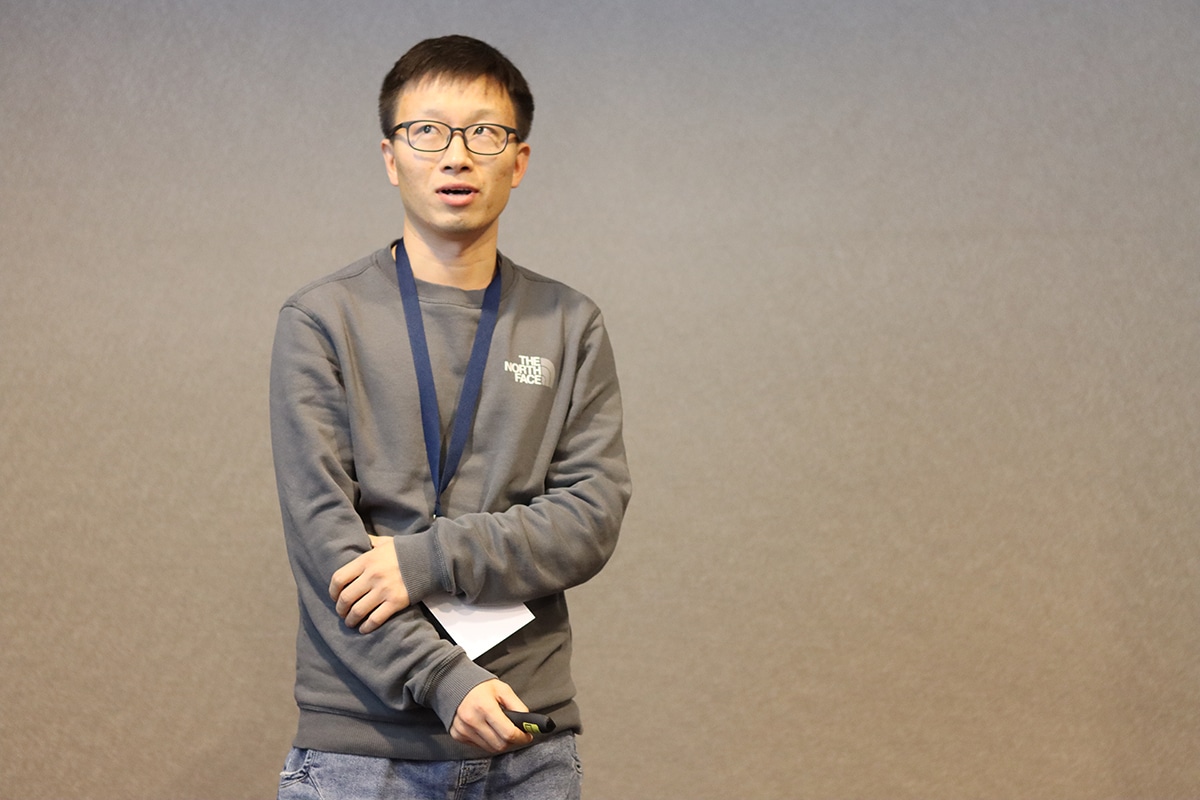
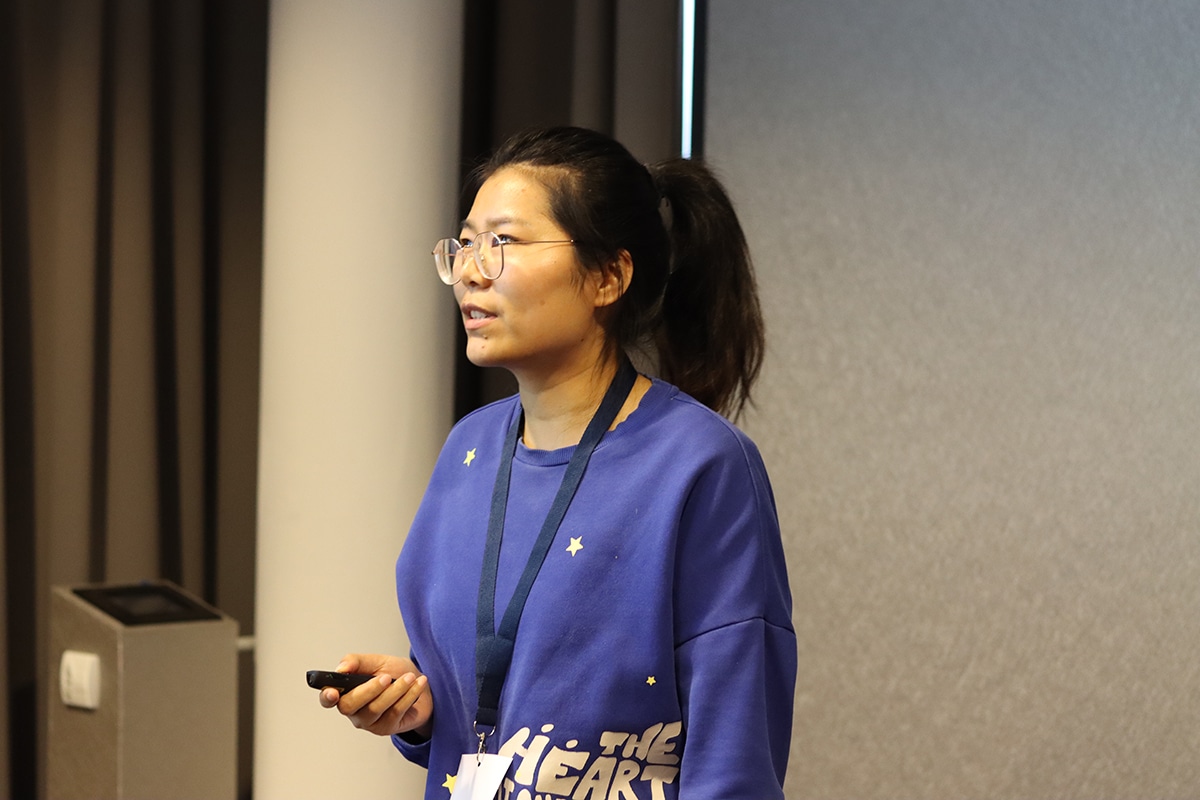
The 5th Global Conference on Agriculture took place in Berlin, Germany, on 13–15 March 2025. Researchers and experts connected research with practical agricultural challenges through studies on digital tools, climate pressure, waste reuse, plant health, and sustainable production. Contributors represented countries including Greece, Albania, Azerbaijan, Georgia, Uganda, and Morocco, adding a strong international perspective to the program.
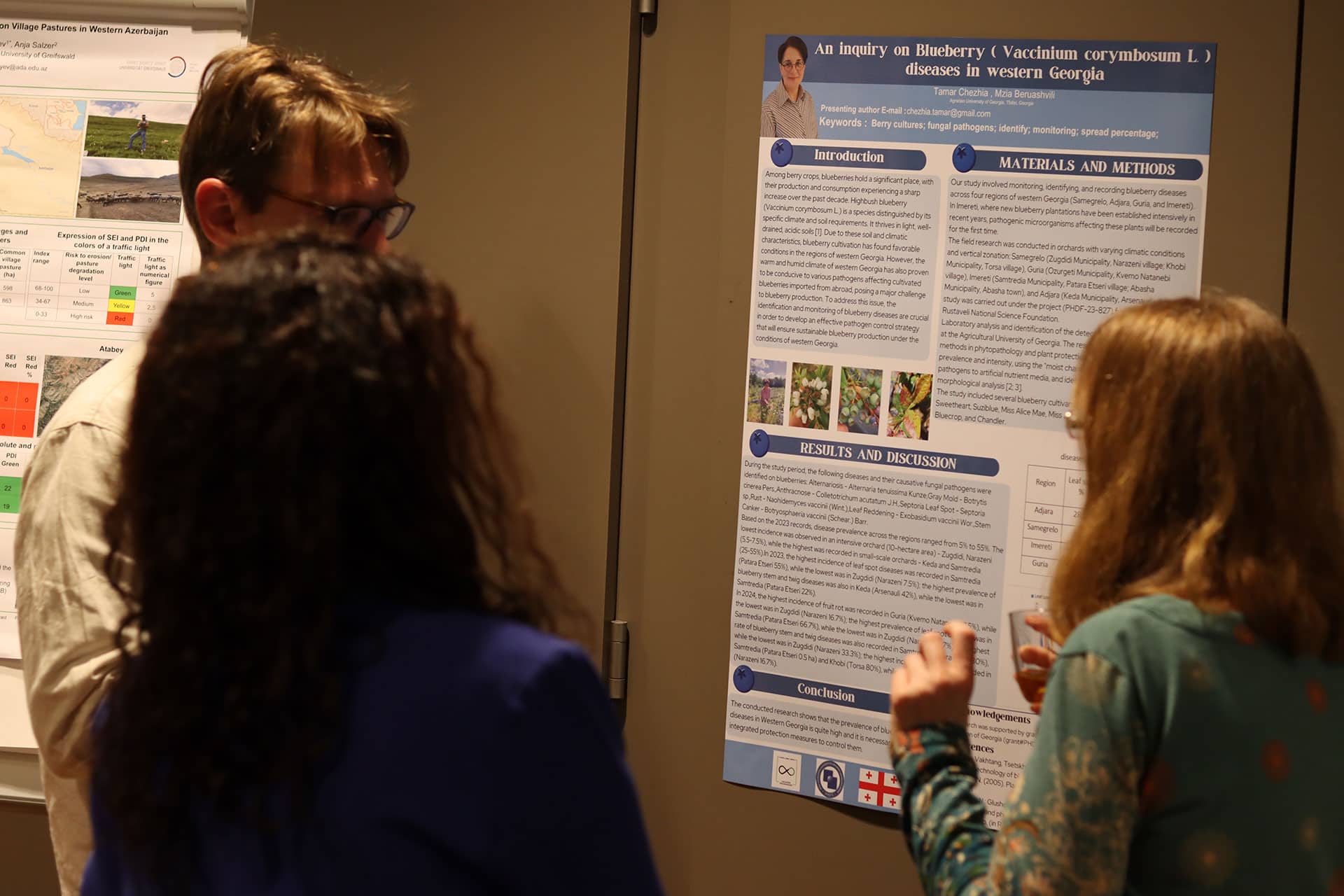
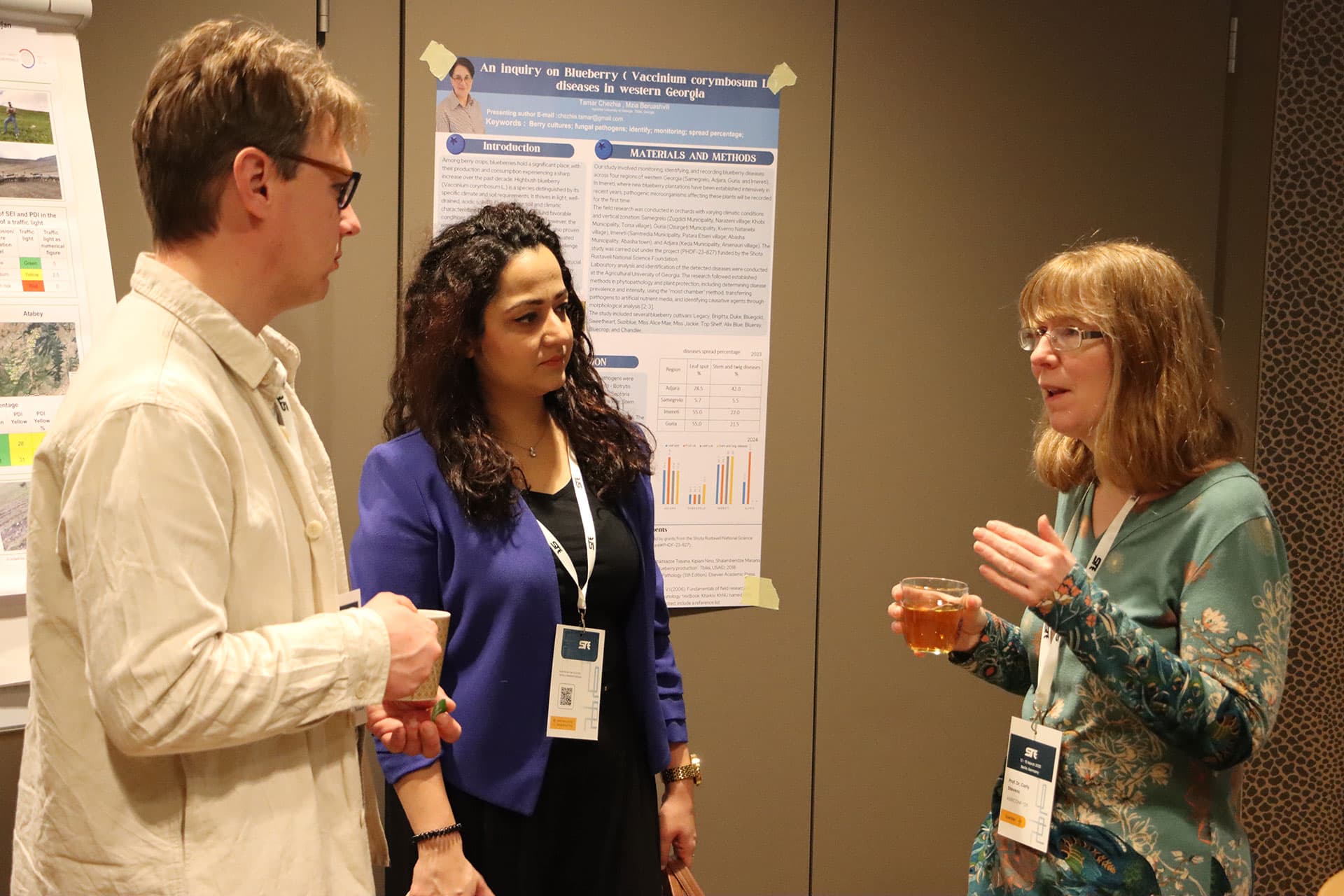
The edition highlighted how agriculture can become more resilient while using resources more efficiently. Studies ranged from IoT-enabled traceability in organic olive production and autonomous navigation for agricultural vehicles to climate impacts on crop yields, circular use of olive and date-palm residues, soil improvement, pasture degradation, and crop disease management.
Join the conversation and help shape future editions of AGRICONF
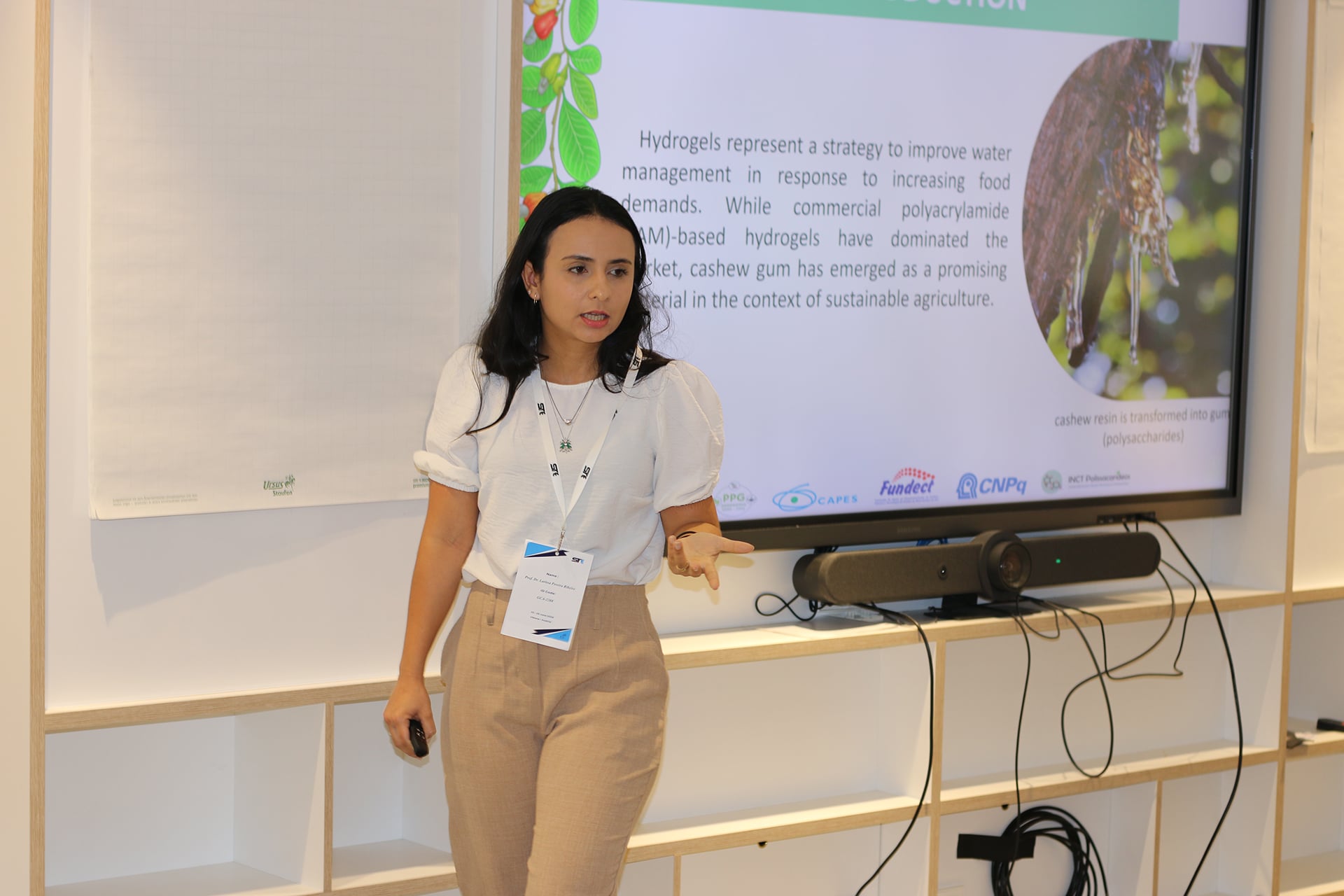
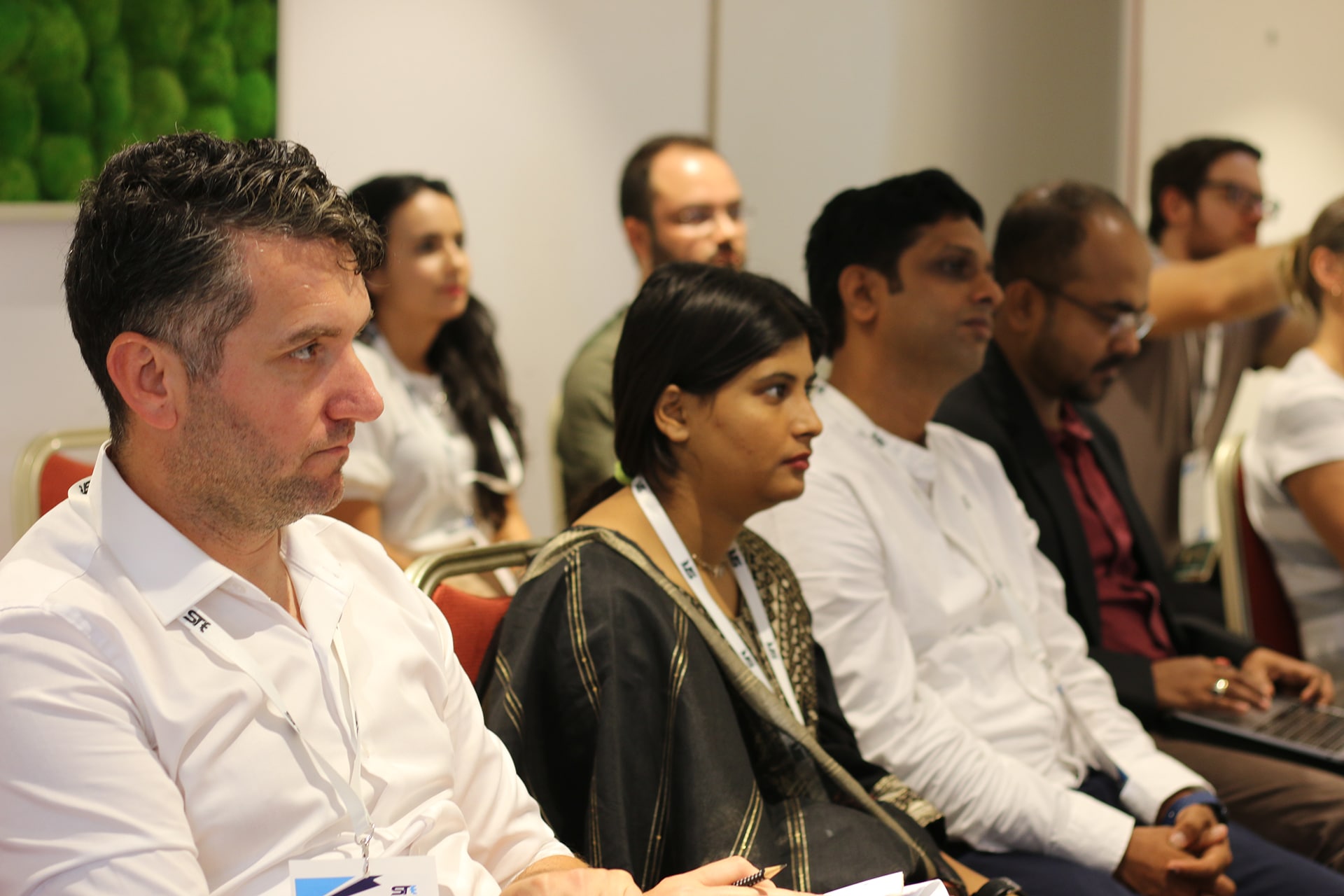
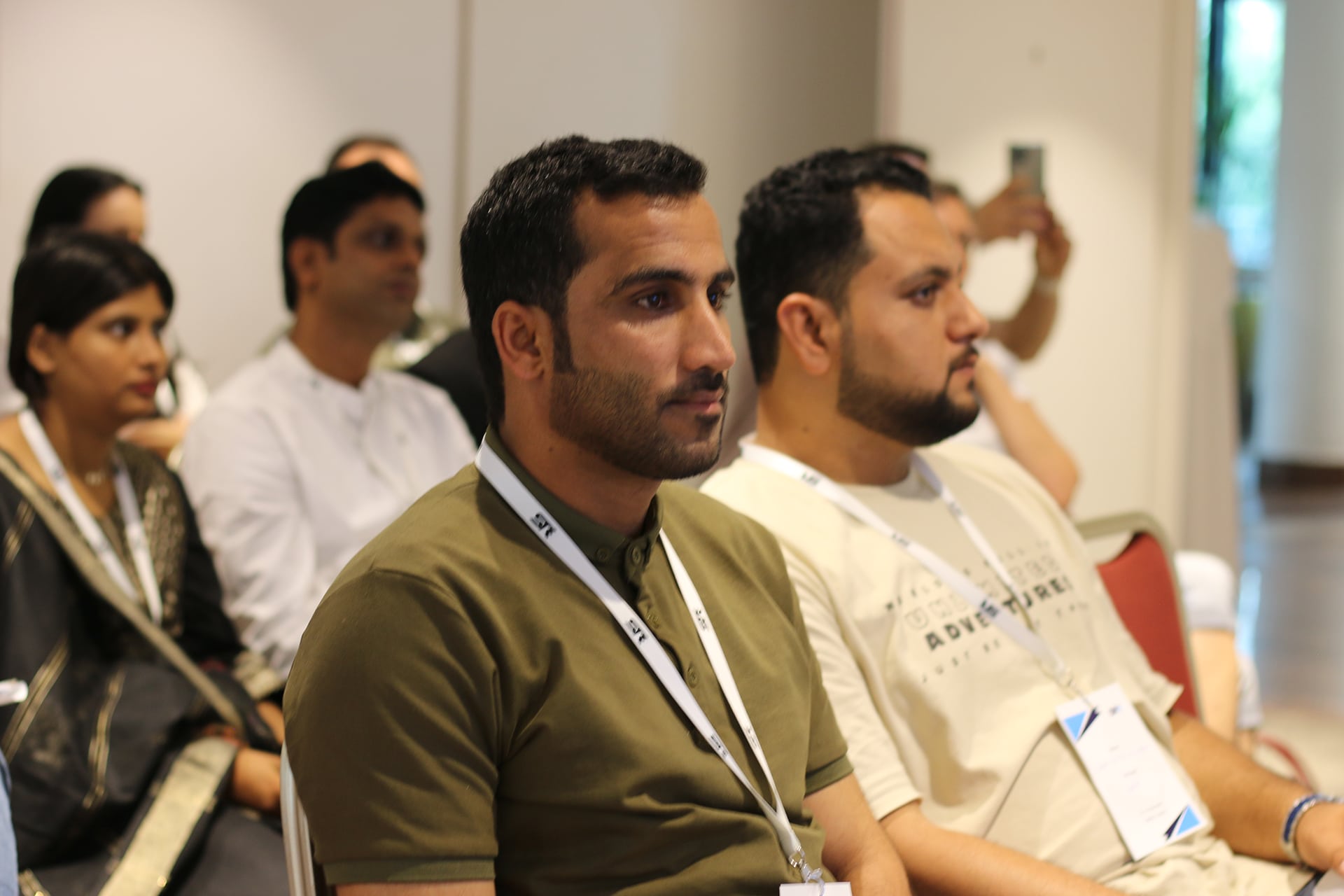
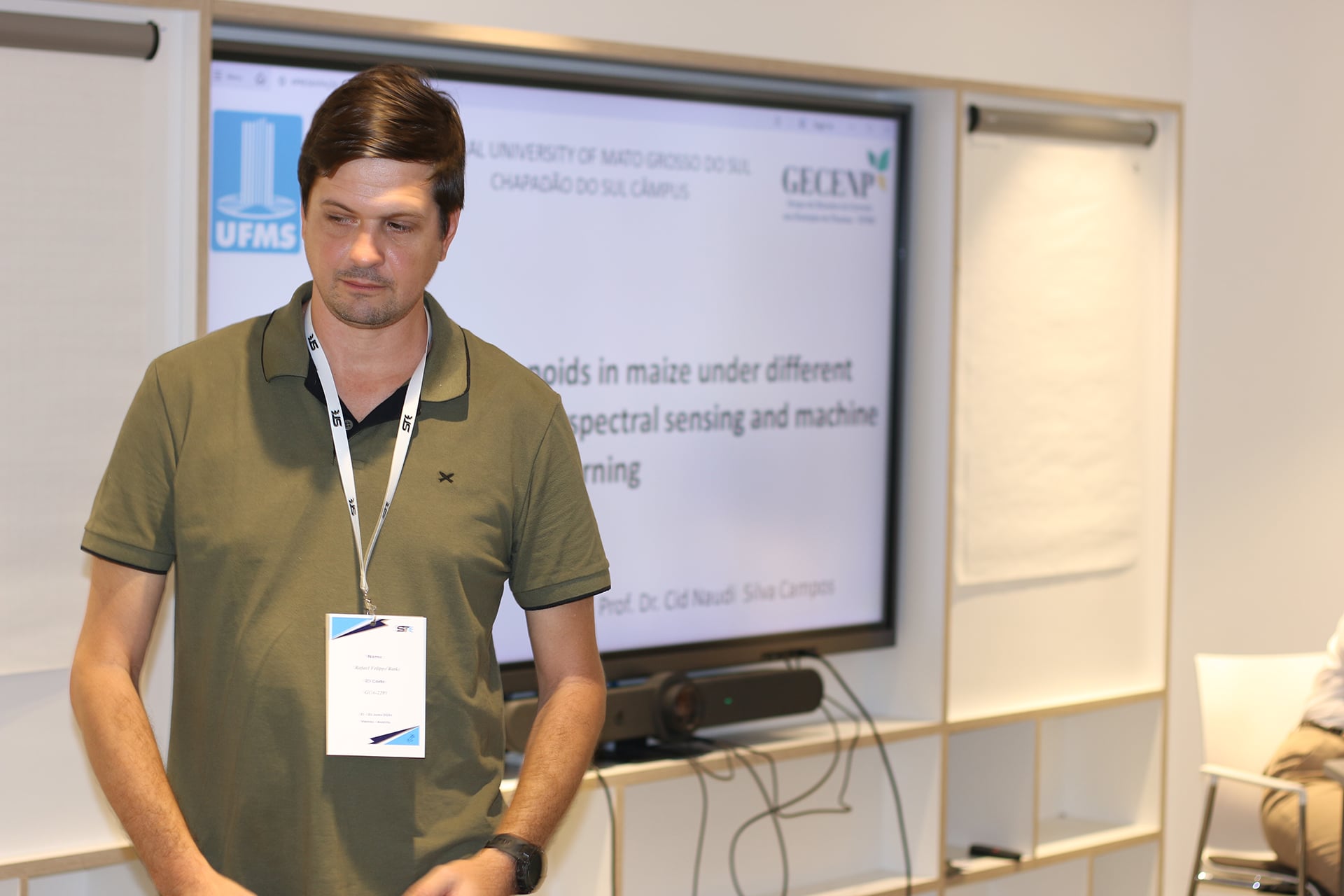
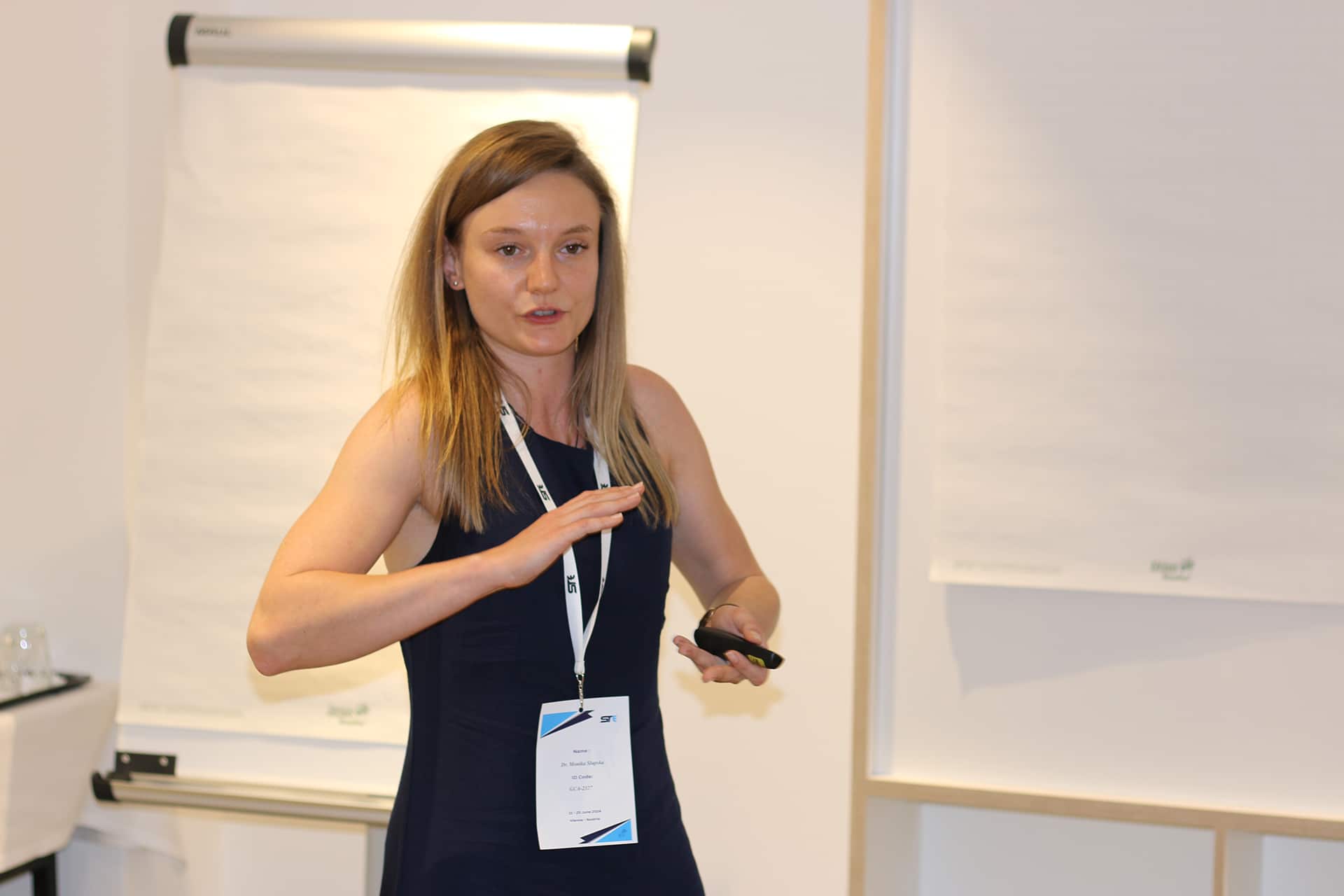
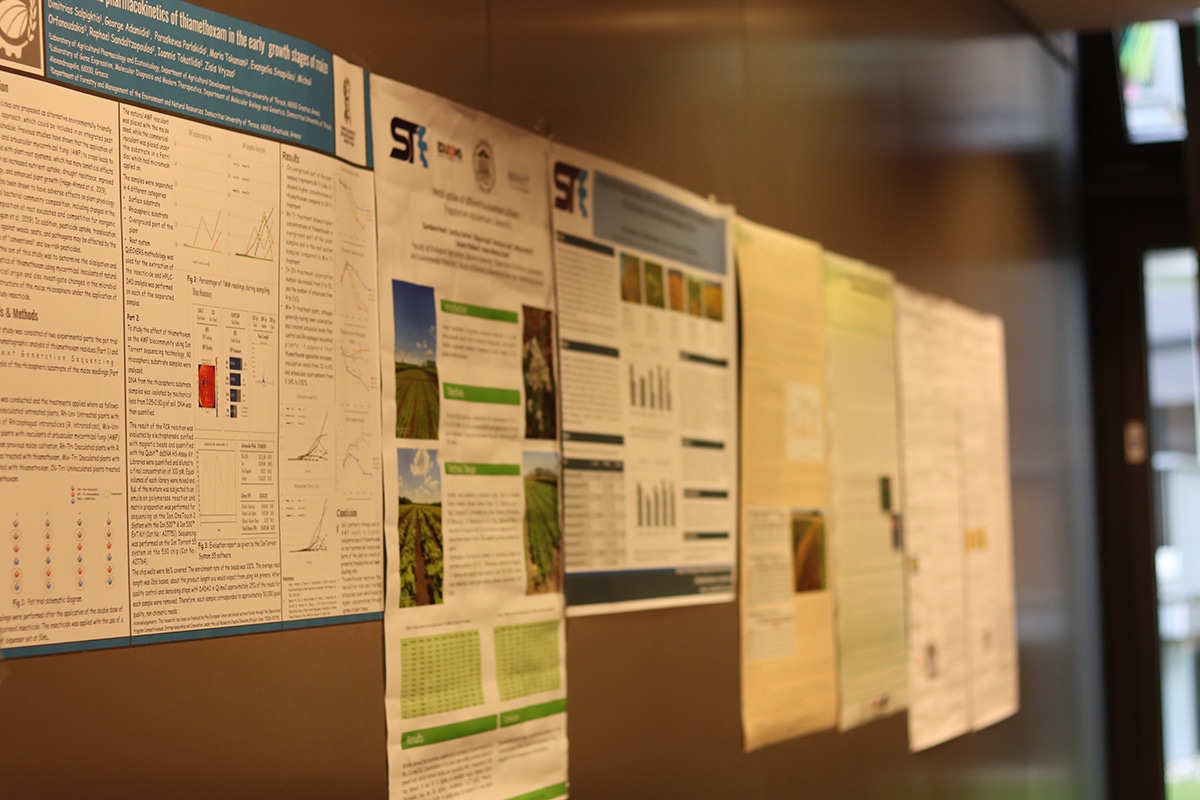
The 4th Global Conference on Agriculture was held in Vienna, Austria, on 21–23 June 2024. The edition featured research from authors connected with countries including Turkey, Colombia, and Brazil, reflecting a program that combined molecular crop science, resource efficiency, and practical sustainability challenges.
The research mix moved from genome-wide marker discovery in pea to agricultural-waste reuse and improved water management for maize. Several studies focused on methods that could help agriculture become more productive under environmental pressure while reducing dependence on conventional materials and improving the use of limited resources.
Join the conversation and help shape future editions of AGRICONF
The 3rd Global Conference on Agriculture took place in Amsterdam, the Netherlands, on 24–25 June 2023. The program included research linked to Portugal, India, Kenya, Nigeria, and Bangladesh, giving the edition a broad international outlook across environmental, technological, and food-system questions.
A strong part of the program focused on circular approaches to agriculture. Researchers examined hydrochar for livestock effluents, food-waste reduction, edible coatings made from agricultural residues, and the recovery of useful compounds from crop by-products. Other work explored biodiversity, genetic resources, phytochemicals, crop stress, and data-driven farming systems.
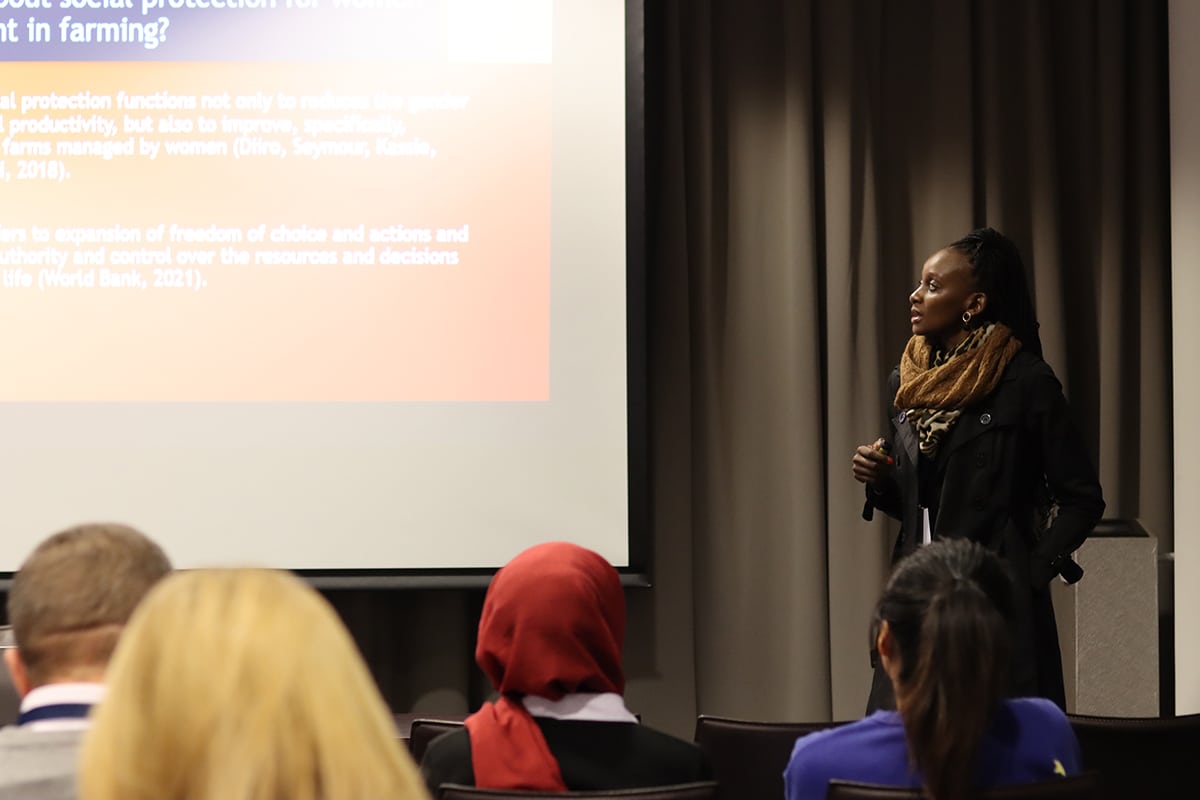
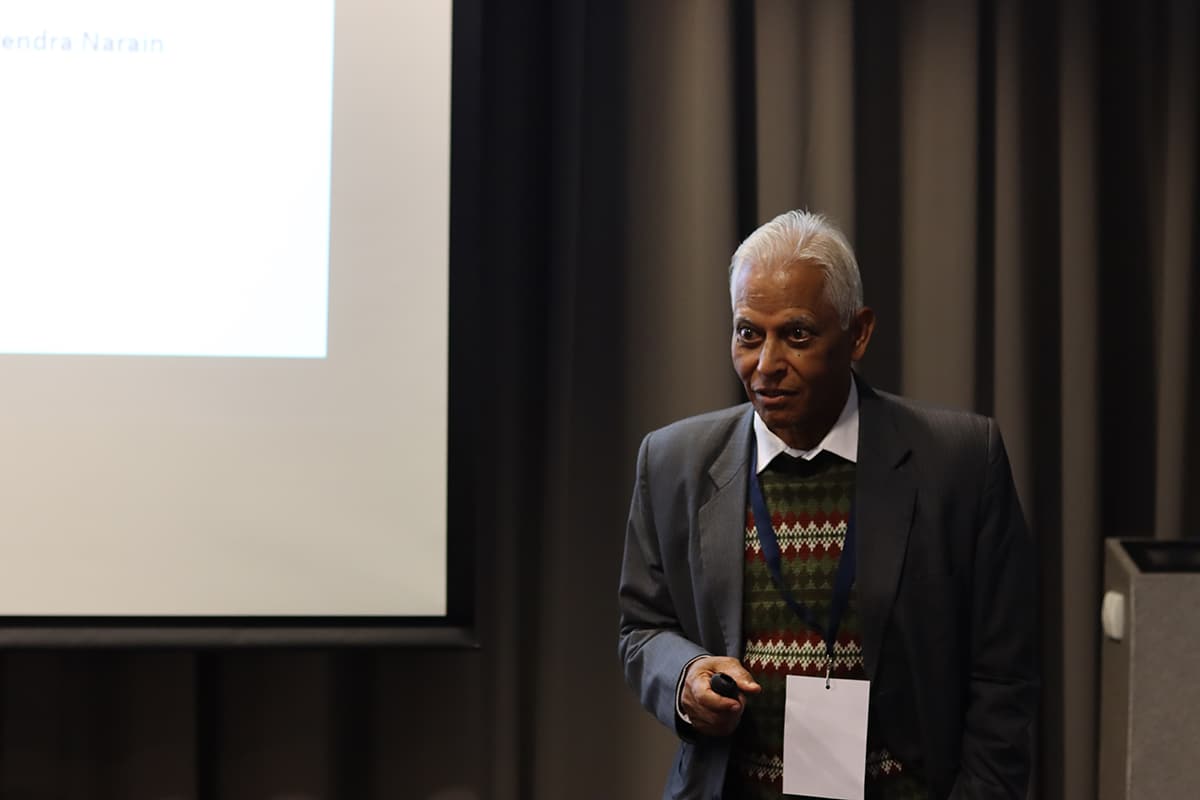
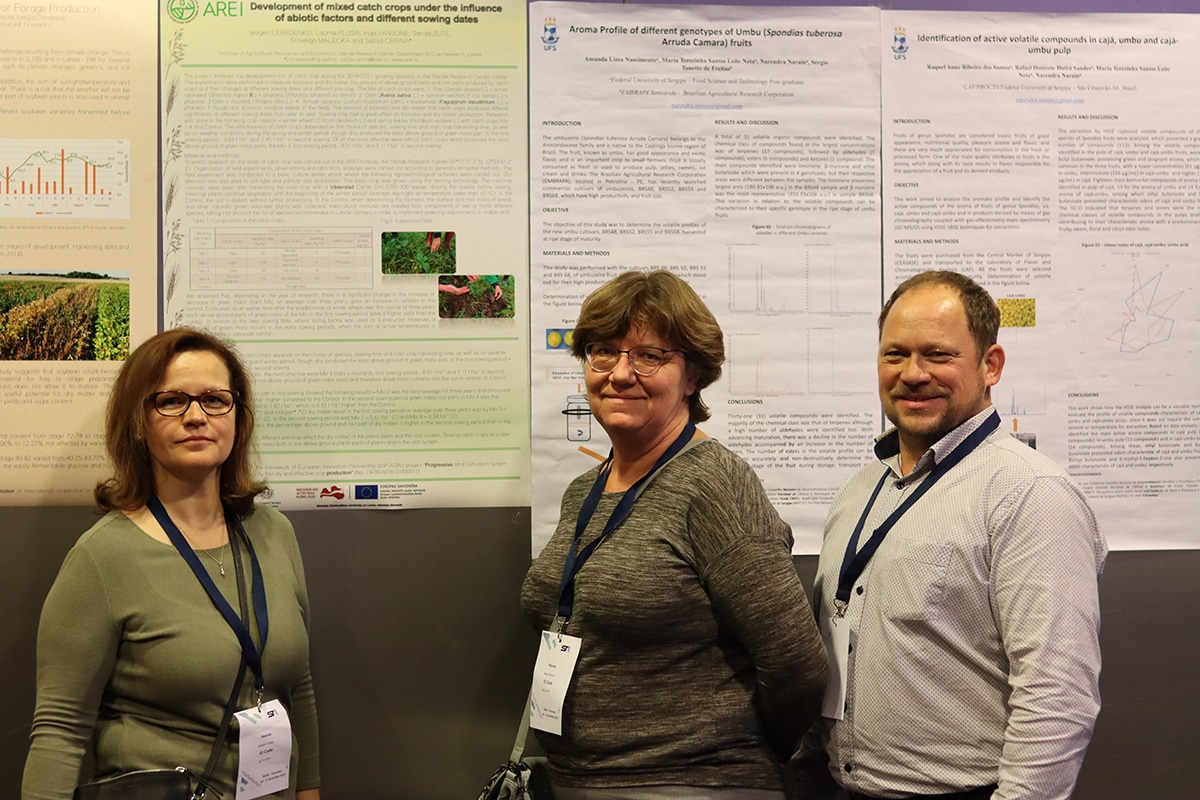
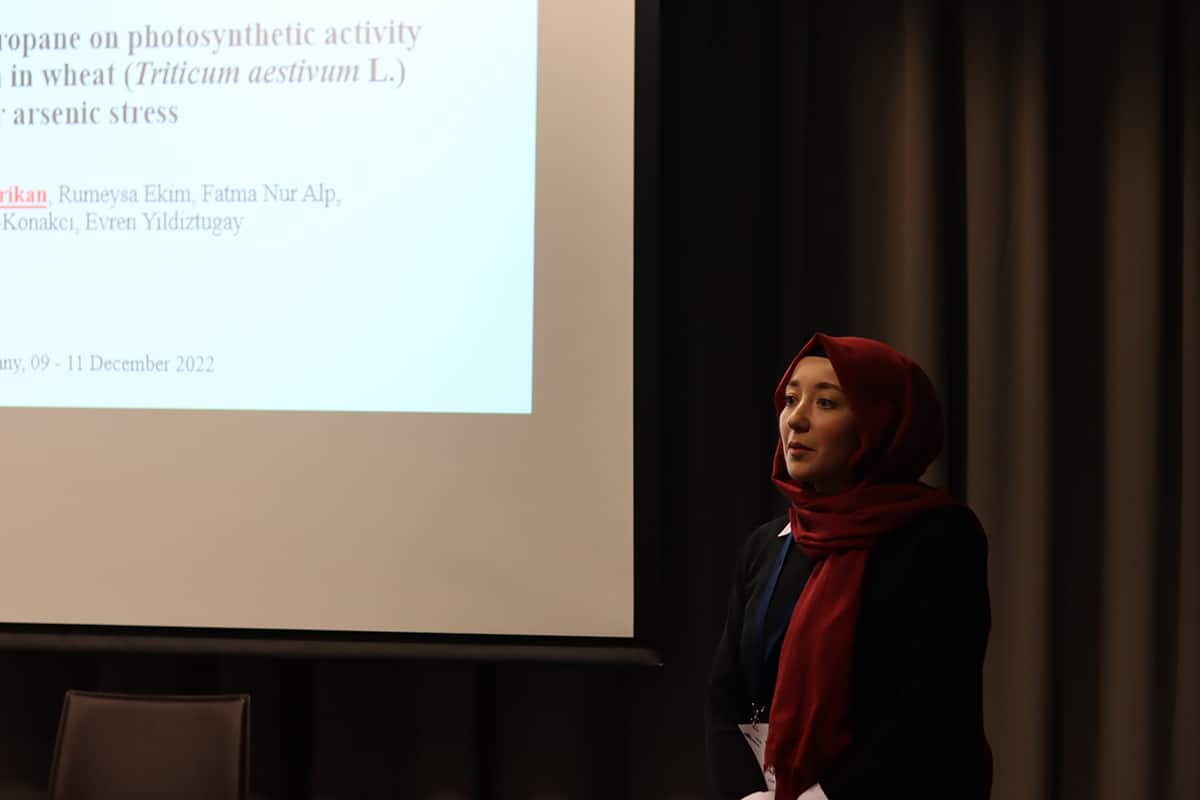
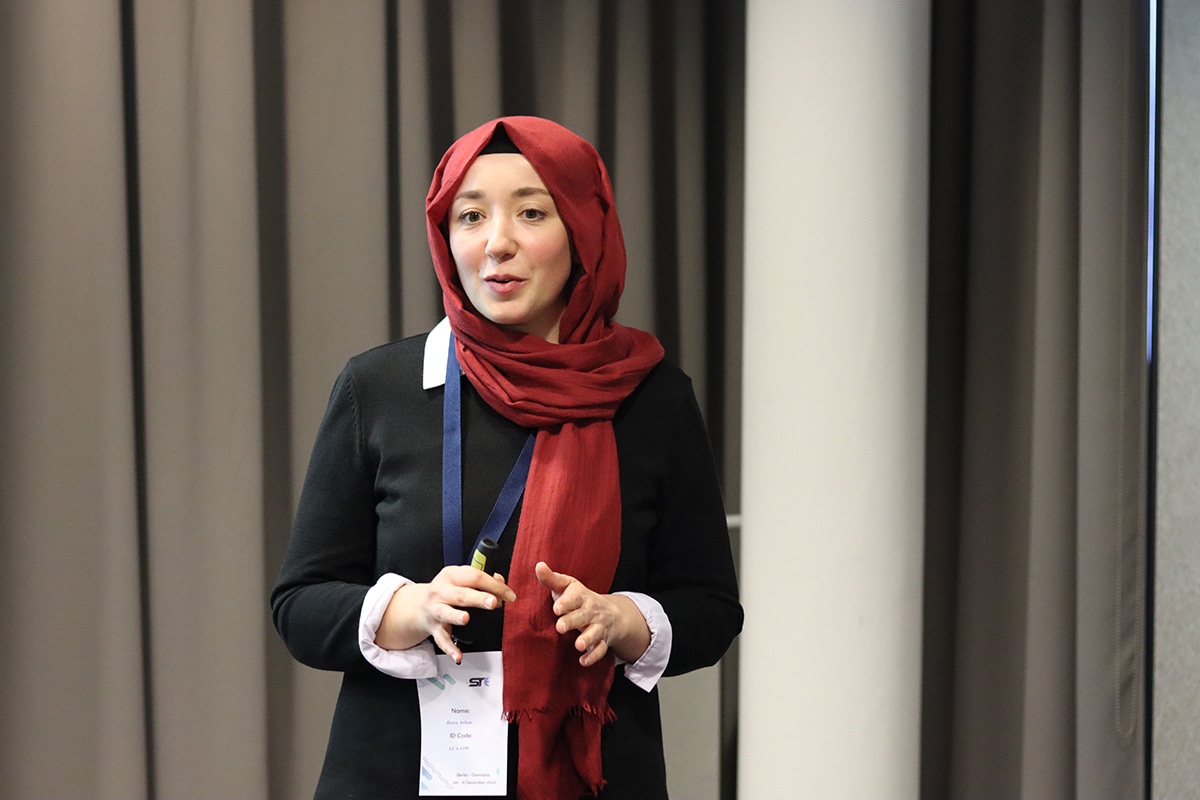
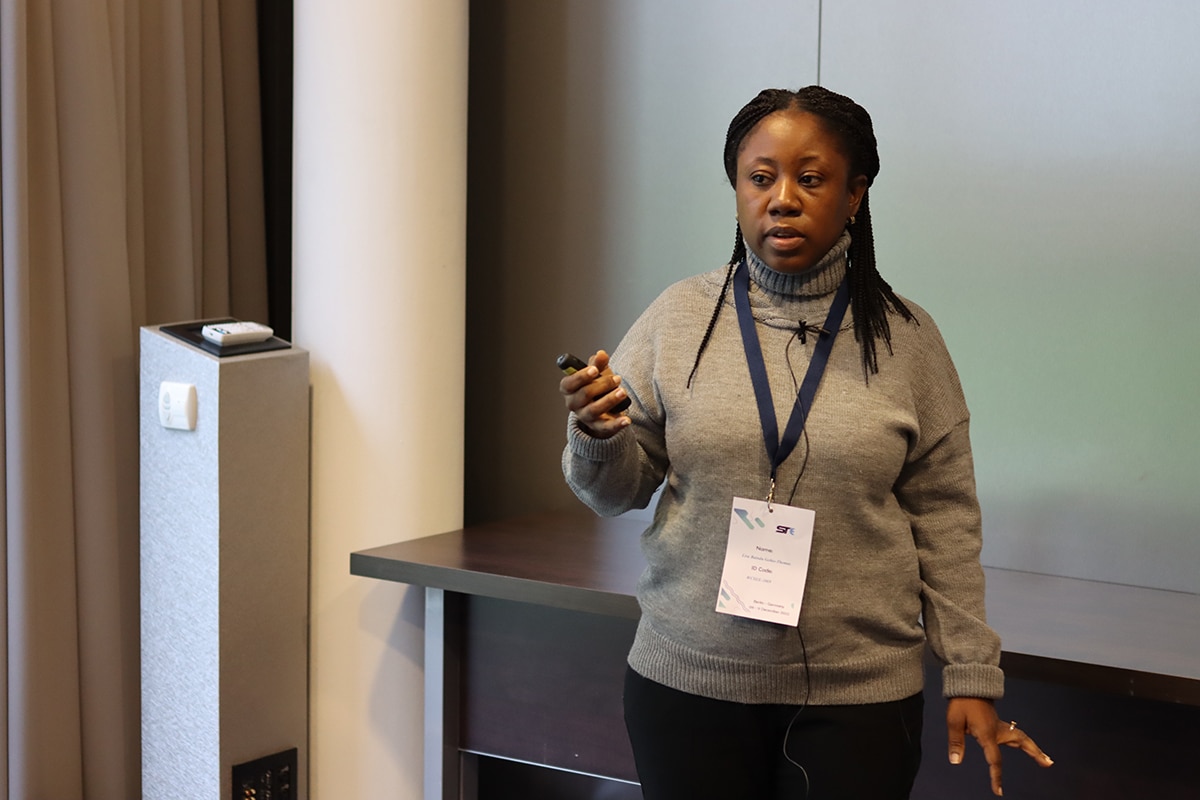
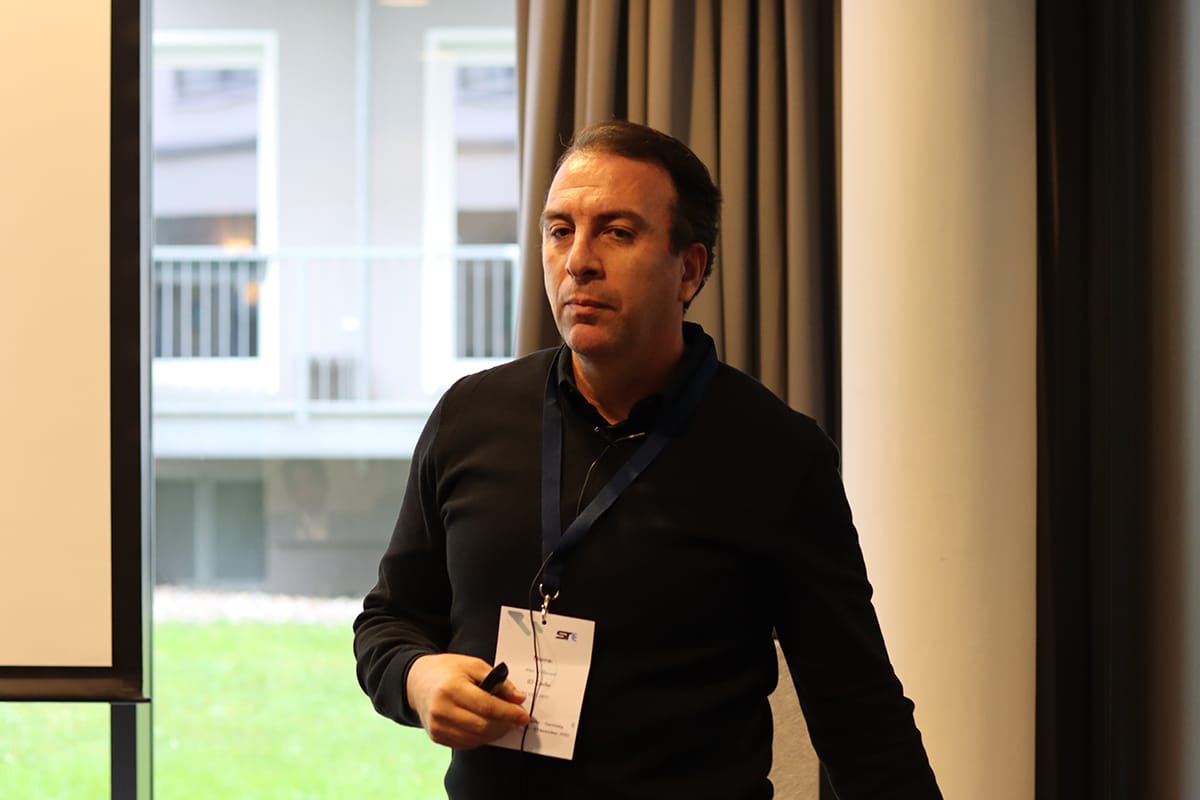
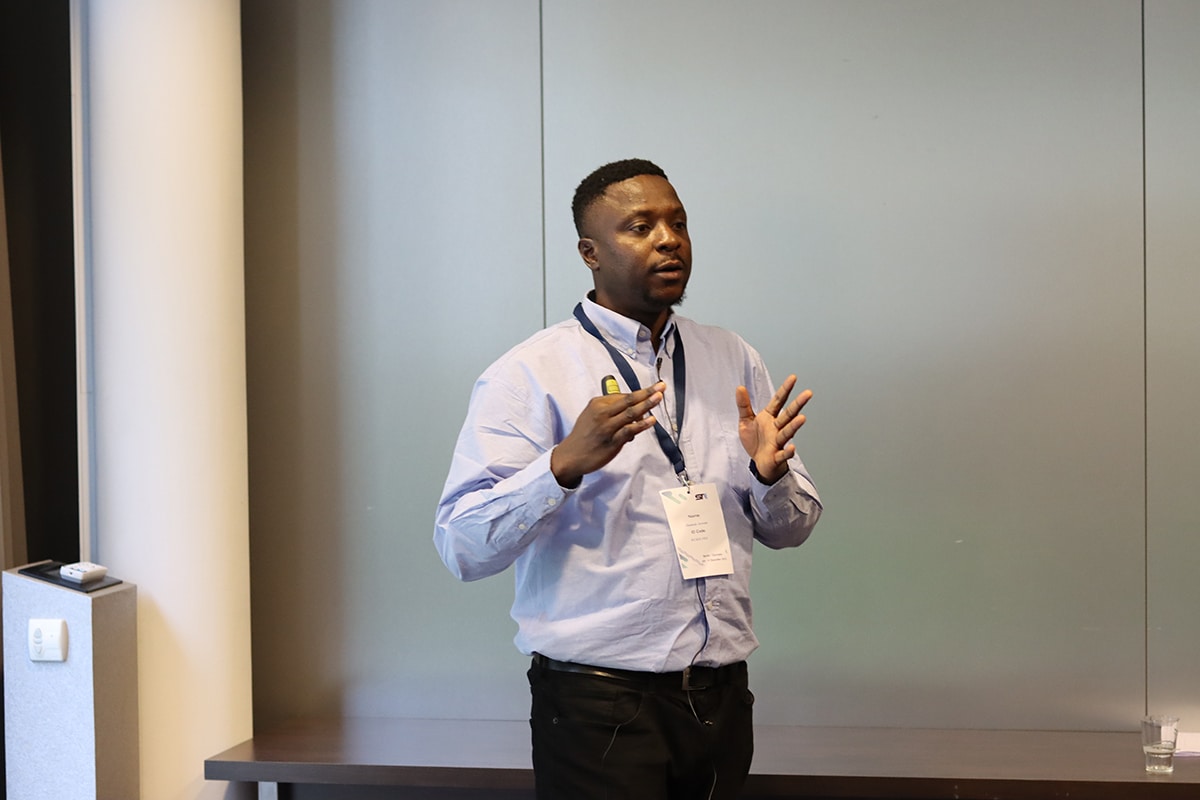
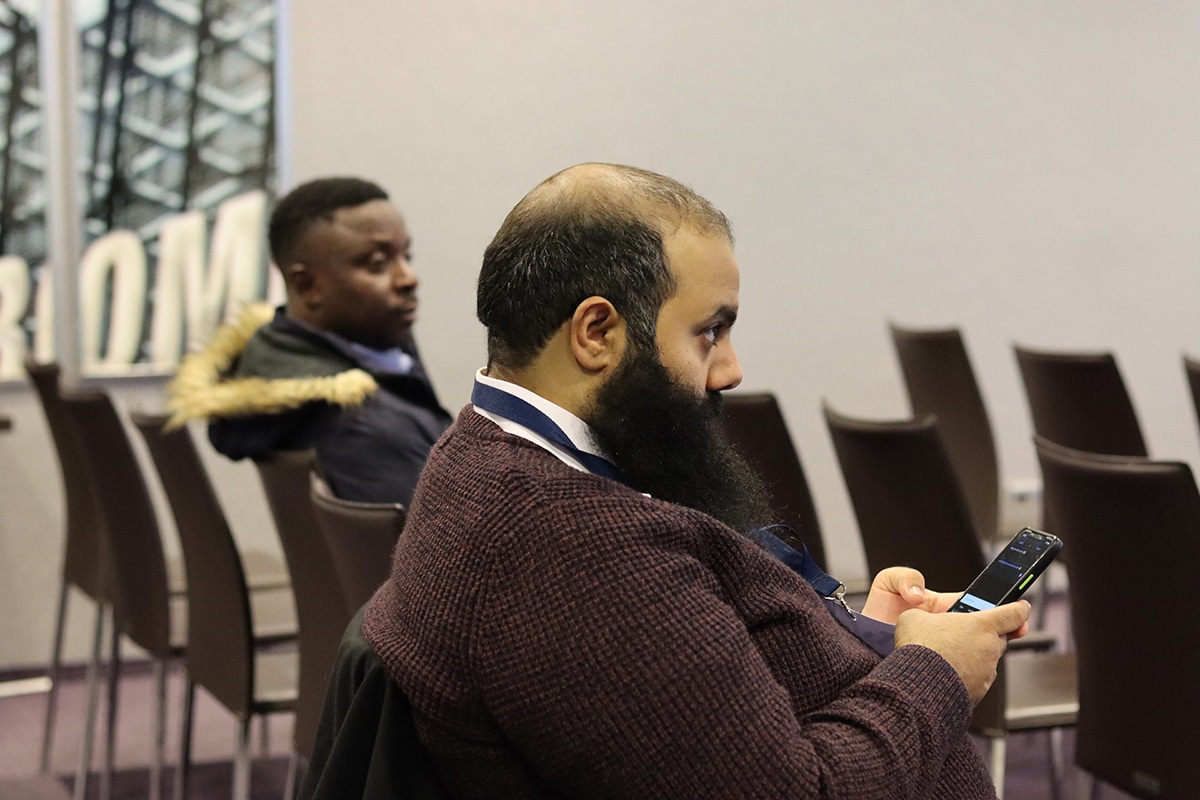
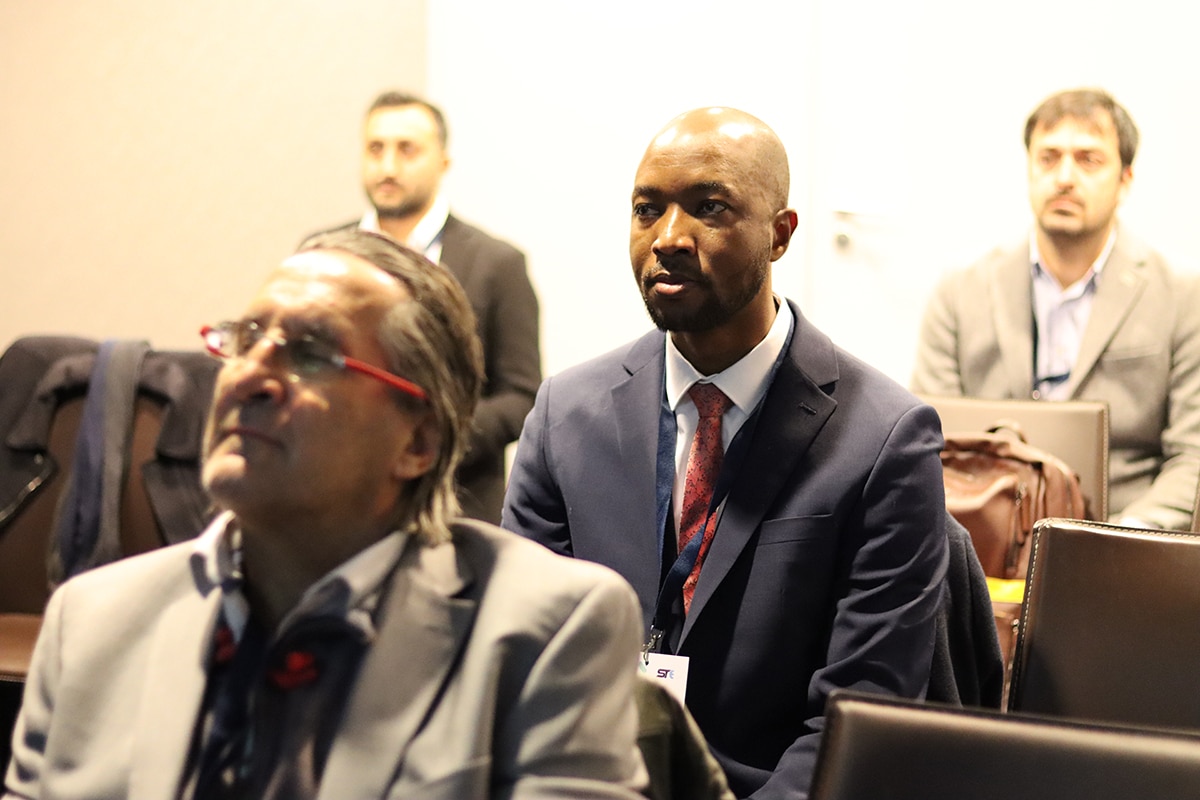
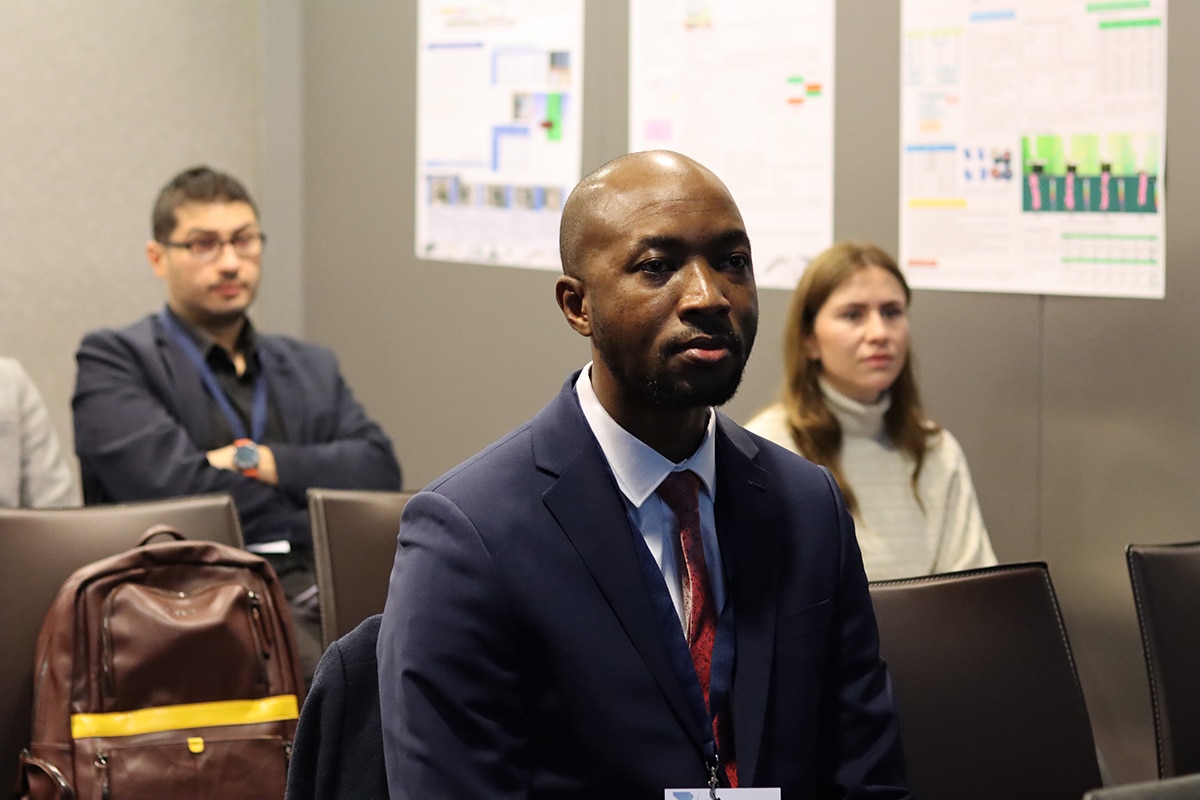
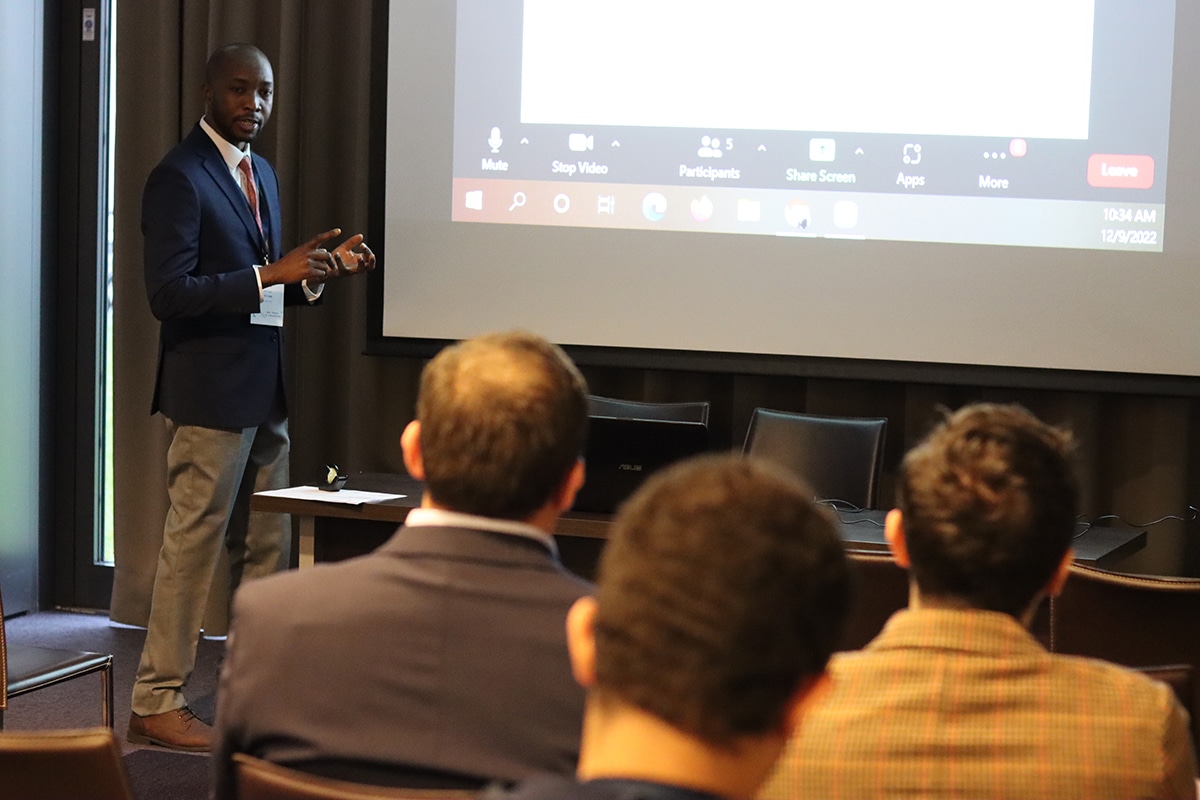
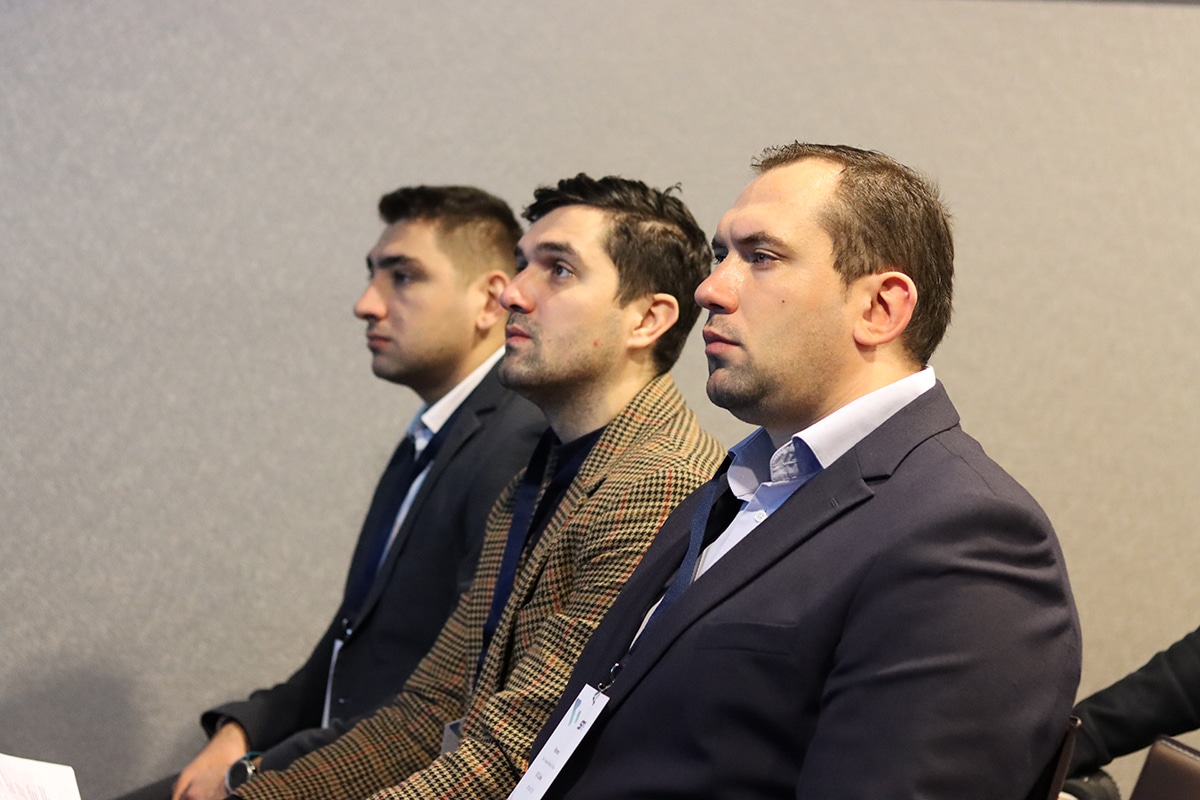
The 2nd Global Conference on Agriculture was held in Berlin, Germany, on 09–11 December 2022. Authors and researchers represented countries including Namibia, Algeria, South Africa, India, Latvia, and Brazil, giving the edition a wide geographic range across crop science, food systems, technology, and agricultural development.
The program showed how agricultural research was increasingly combining digital tools with biological and social approaches. Studies covered real-time crop disease recognition, hyperspectral imaging, crop stress and physiology, women’s participation in agriculture, renewable energy, food safety, biofertilizers, and sustainable land-use systems.

The first Global Conference on Agriculture was scheduled for Berlin, Germany, on 11–13 March 2022 and was delivered online amid the continuing challenges of the coronavirus pandemic. The proceedings included contributions connected with Germany, Bangladesh, Thailand, Brazil, Vietnam, and Italy, giving the inaugural edition an international research base from the start.
The program established several subjects that remained important in later AGRICONF editions. Research examined spatial decision-support systems, smart farming and productivity, agricultural emissions, machine learning in the food sector, sustainable value chains, livestock genetics, and the changing relationship between technology, economics, and agricultural development.